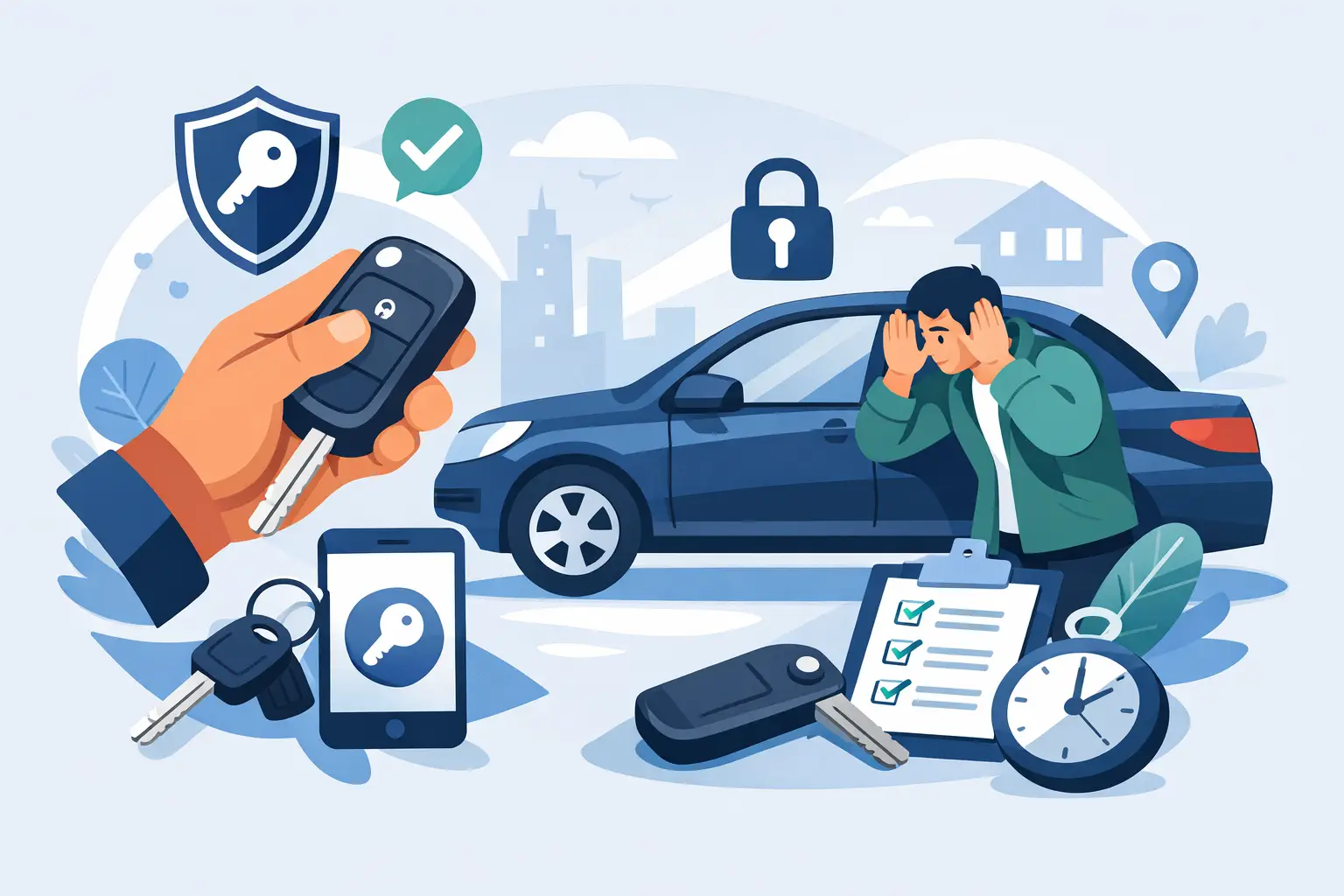
A car key problem rarely happens at a convenient time. You may be standing outside your home before work, parked at a supermarket, or halfway through a busy day with a vehicle that will not start. Whether you have a spare key or all keys lost, the right next step depends on the condition of the key, the age of the vehicle and whether security is a concern.
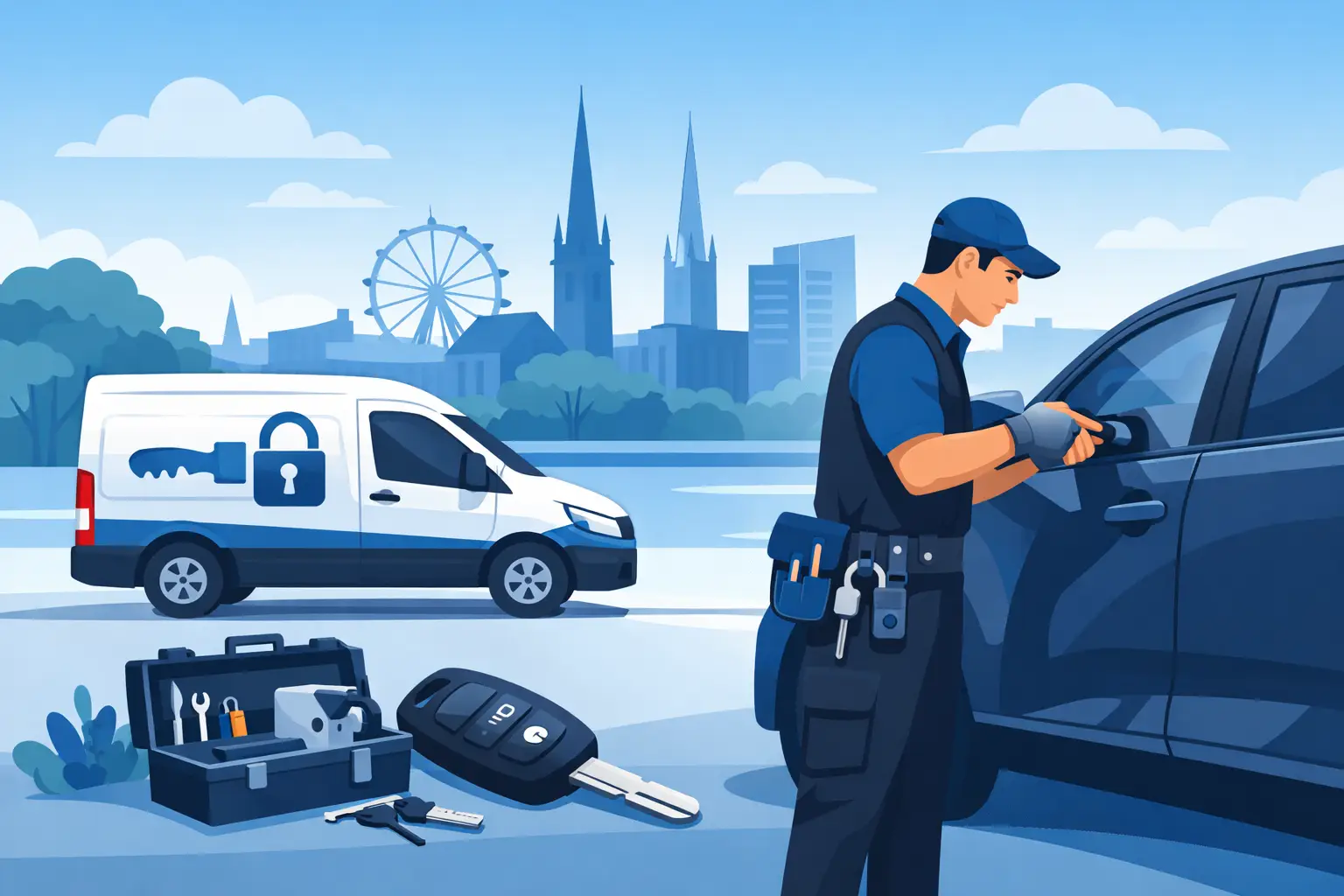
The good news is that most situations can be sorted at your vehicle. A specialist mobile auto locksmith can cut, programme and test a replacement key on-site, saving the disruption of arranging recovery or waiting for a dealership appointment.
When you still have a spare key
Having one working key puts you in a far better position than having none, but it is still worth acting quickly. A spare can be copied before it wears out, breaks or disappears as well. It also gives the locksmith a working reference for the blade, remote functions and vehicle programming.
If your remaining key starts the car but looks worn, do not assume it will keep working indefinitely. Worn blades can damage an ignition lock barrel over time, while cracked remote cases, loose buttons and weak batteries can turn a minor nuisance into a lockout. A key that only works after repeated attempts is a warning sign, not something to put off until next month.
A duplicate is especially useful for households with more than one driver, tradespeople who cannot afford vehicle downtime, and anyone who regularly travels away from home. Keep the spare somewhere safe and separate from the vehicle keys you use every day. Leaving it in the glovebox offers no help if you are locked out.
A spare key is not always a complete answer
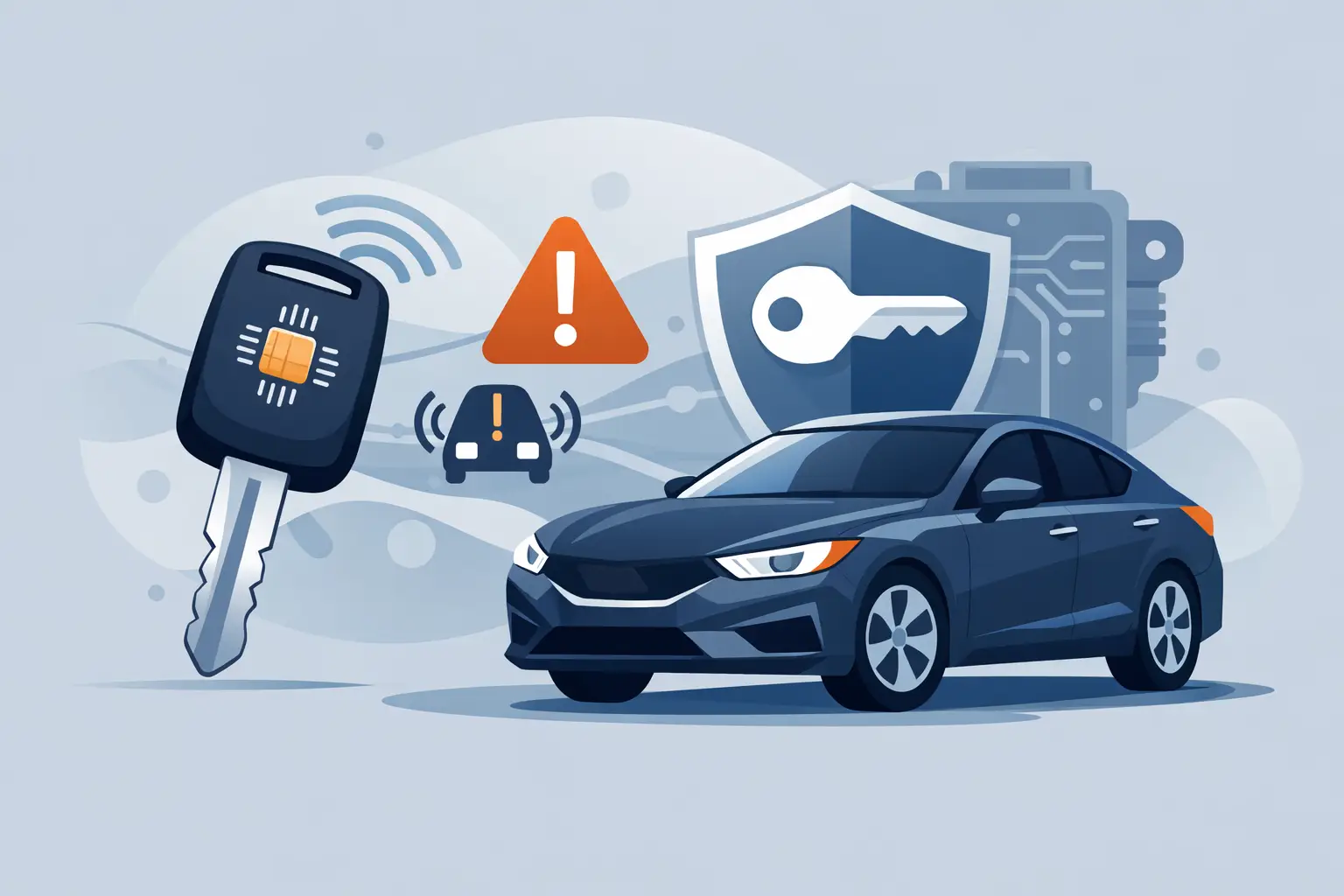
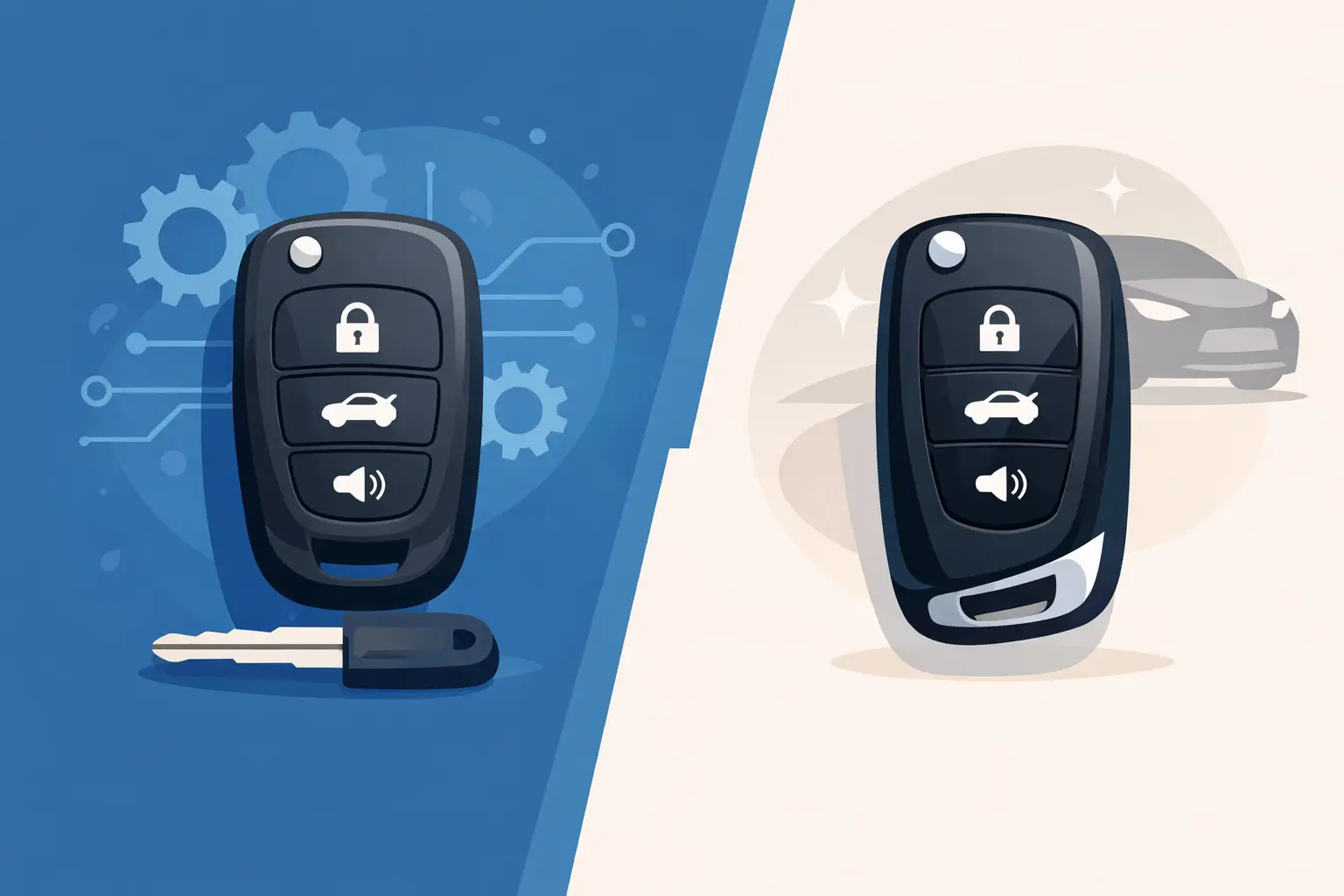
Some vehicles use a remote fob and an immobiliser transponder as well as a metal blade. A basic copy of the blade may open the door but may not start the car. Other keys use proximity systems, where the car detects the fob without it entering the ignition.
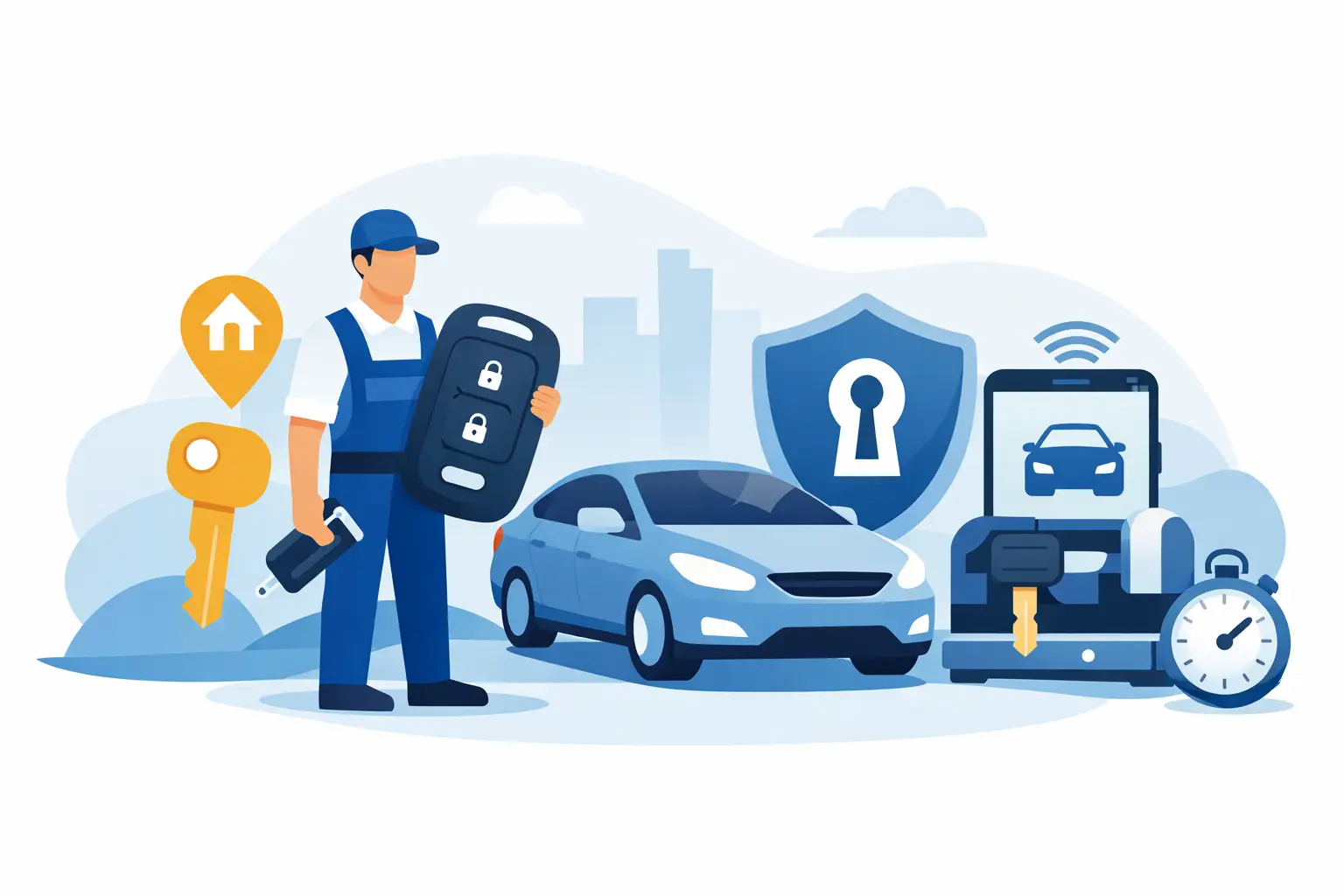
That is why a replacement needs to be matched to the vehicle properly. The key should be cut accurately, programmed to communicate with the car, and tested for locking, unlocking and starting before the job is complete. If the original remote buttons have failed, the issue may be the fob, battery contacts or internal circuit rather than the key blade itself.
Spare key or all keys lost: the key difference
With a spare key available, a replacement can usually be made by copying and programming from the existing key. When all keys are lost, the work is more involved because there is no working key to copy. It does not mean the car needs to be towed or left stranded, but the locksmith will need to identify the vehicle, gain authorised access and create a new key from the vehicle’s lock and electronic system.
For many cars, this involves reading the information required to programme a new transponder or remote key, cutting a new blade, then pairing it to the car. The exact method varies by make, model, year and key type. Older vehicles may use a simpler transponder key, while newer vehicles can have encrypted systems and keyless entry technology that require specialist equipment and experience.
You will normally need to prove that you are entitled to have keys made for the vehicle. Have photo identification and vehicle ownership details ready where possible. This protects you, your car and everyone else from keys being produced without authority.
If your keys were stolen, treat it as a security issue
Losing a key is frustrating. Having one stolen is different, particularly if the person who took it could identify your car or knows where it is kept. In that situation, simply making another key may not be enough.
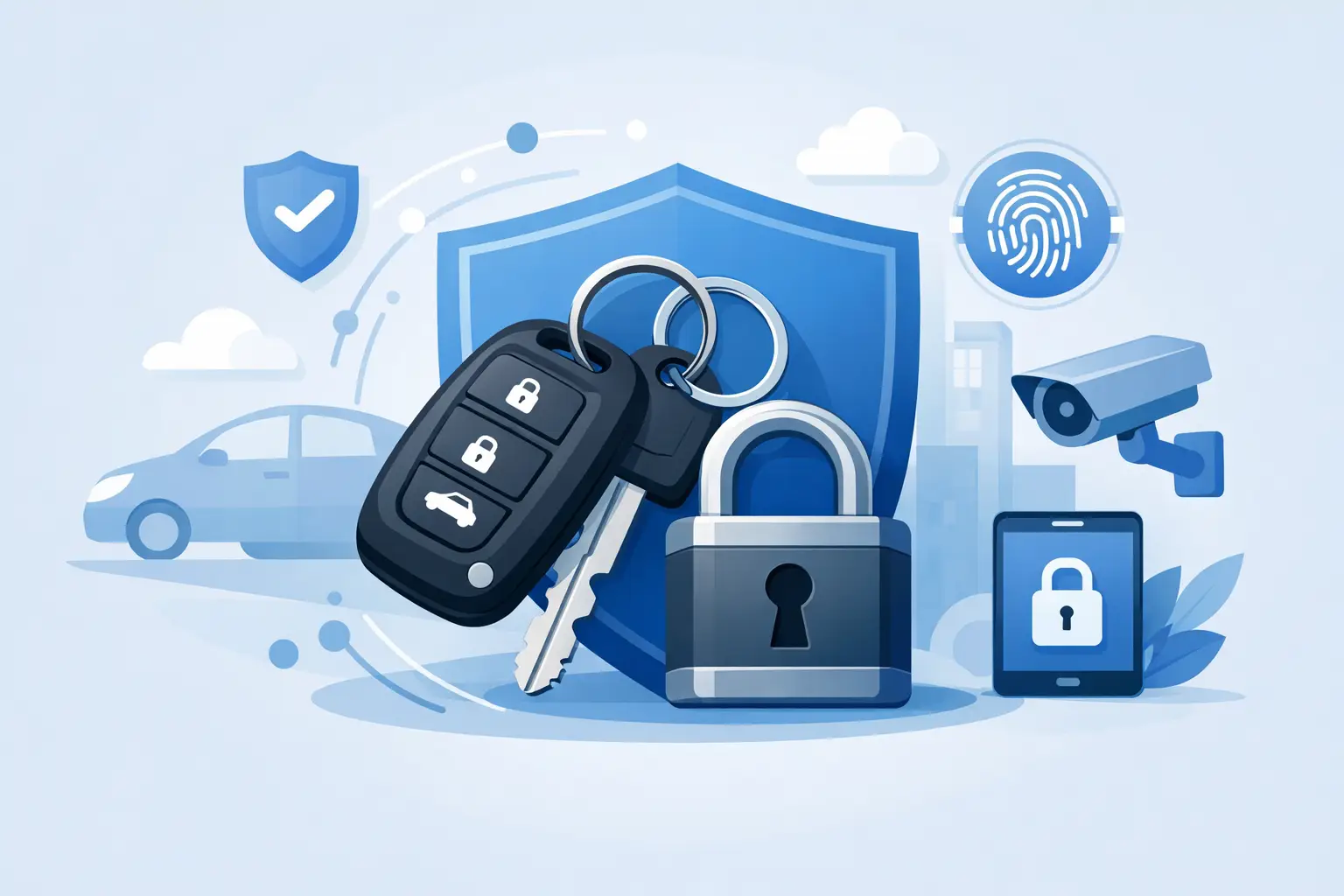
Ask for the lost or stolen key to be deleted from the vehicle’s memory where the system allows it. Once removed, that old key should no longer start the car. Depending on the vehicle and circumstances, it may also be sensible to change or reconfigure the locks, particularly if there is a risk that someone has access to both the key and your address.
Do not delay because the car is currently parked safely. A stolen key can leave you worrying every time you look out of the window. Dealing with the security side properly gives you a working replacement and more confidence that the old key is no longer a route into your vehicle.
What to do while you wait for help
First, check the obvious places carefully. Look in coat pockets, bags, the driveway, workplace reception and the last place you stopped. If you are away from home, contact the venue or shop straight away. But avoid turning the search into a long delay if you depend on the vehicle and there is no realistic sign of the key.
If you believe the key is inside the car, do not force a door, bend a frame or try to prise open a window. Modern vehicles can be damaged surprisingly easily, and a rushed attempt often creates an additional lock or window repair. A professional lockout service uses appropriate entry methods to regain access with minimal disruption.
Keep the vehicle in a safe, visible place if possible. If you are on a roadside, move yourself away from traffic and follow normal safety precautions. Gather your registration number, make, model and approximate year, as these details help establish what type of key and equipment may be needed.
Avoid ordering a cheap unprogrammed key online as an emergency fix. It may look similar to your original but have the wrong frequency, transponder chip, blade profile or circuit board. Even when the shell is correct, it still needs cutting and programming. A poor-quality replacement can also cause remote faults that are difficult to diagnose later.
Common problems that look like lost-key emergencies
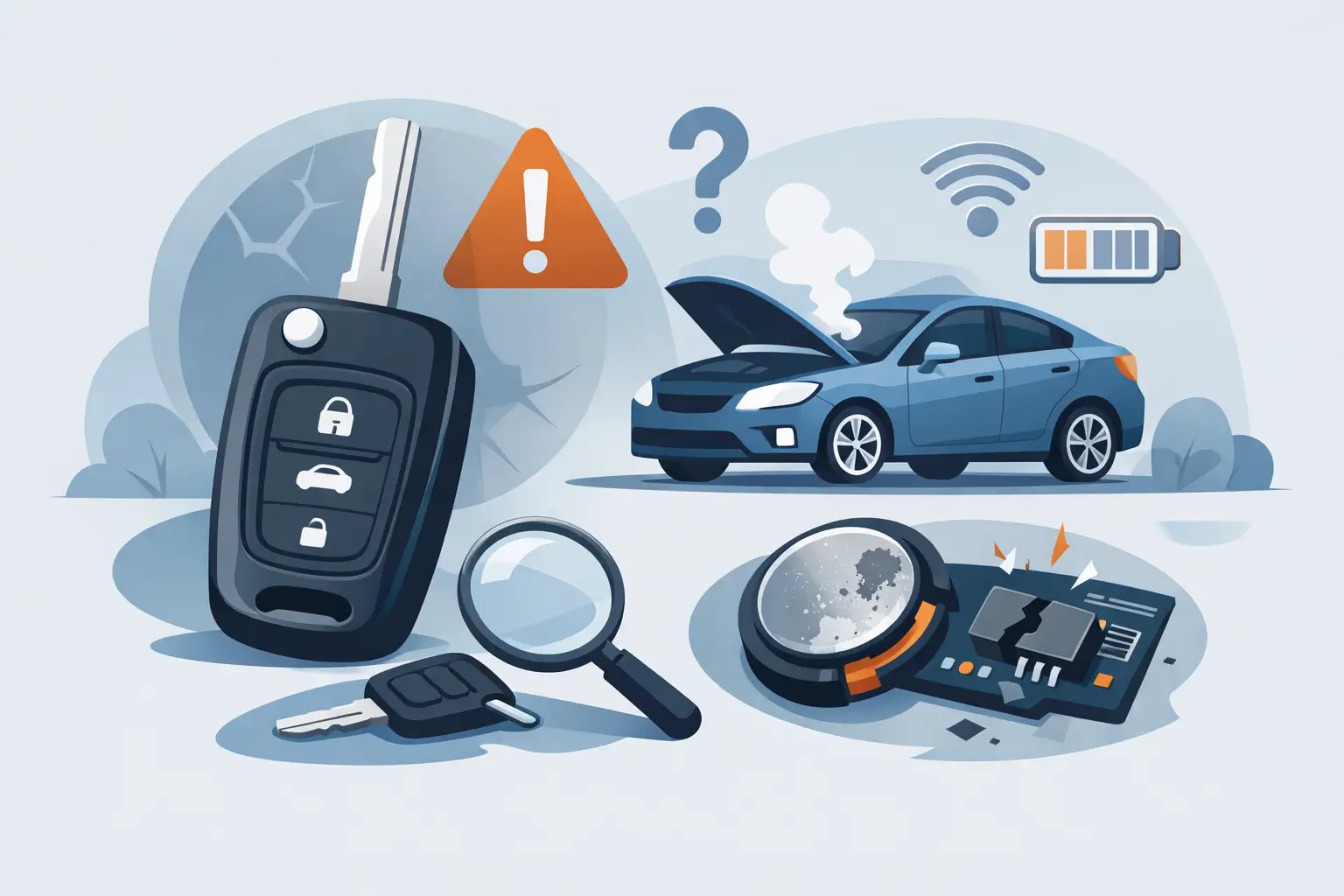
Not every no-start problem means the key has failed or been lost. A flat vehicle battery can stop central locking from responding, while a weak fob battery can prevent a keyless car from detecting the remote. Many vehicles have an emergency method for starting when the fob battery is low, although the location and process differ between models.
A damaged ignition lock barrel can also make a good key feel as though it is no longer recognised. If the key will not turn, sticks in the ignition or only works at a certain angle, do not force it. The blade could snap, leaving part of it inside the barrel and making the repair more involved.
Likewise, if the remote unlocks the car but it will not start, the immobiliser chip may be damaged, missing or out of programme. A proper assessment separates a key fault from an ignition, battery or vehicle electrical fault, so you are not replacing parts unnecessarily.
Why mobile help makes a difference
A car without a key is a car that cannot easily be moved. That is exactly why mobile auto locksmith work is built around coming to the vehicle, rather than expecting you to solve the transport problem first. The key can be made, programmed and checked where the car is parked.
For drivers across the West Midlands and Warwickshire, Car Key Maker provides practical on-site help for replacement keys, lockouts, damaged remotes and ignition key problems. The aim is straightforward: assess the fault, explain what is needed clearly and get you moving again without unnecessary delay.
The best option still depends on your situation. If you have a reliable spare, arrange a duplicate before it becomes urgent. If all keys are lost, confirm ownership details and get specialist help as soon as possible. If a key has been stolen, make security the priority, not just access.
A working spare kept safely at home can turn a stressful morning into a minor inconvenience. If you do not have one, sorting it while your current key still works is one of the simplest ways to protect your next journey.