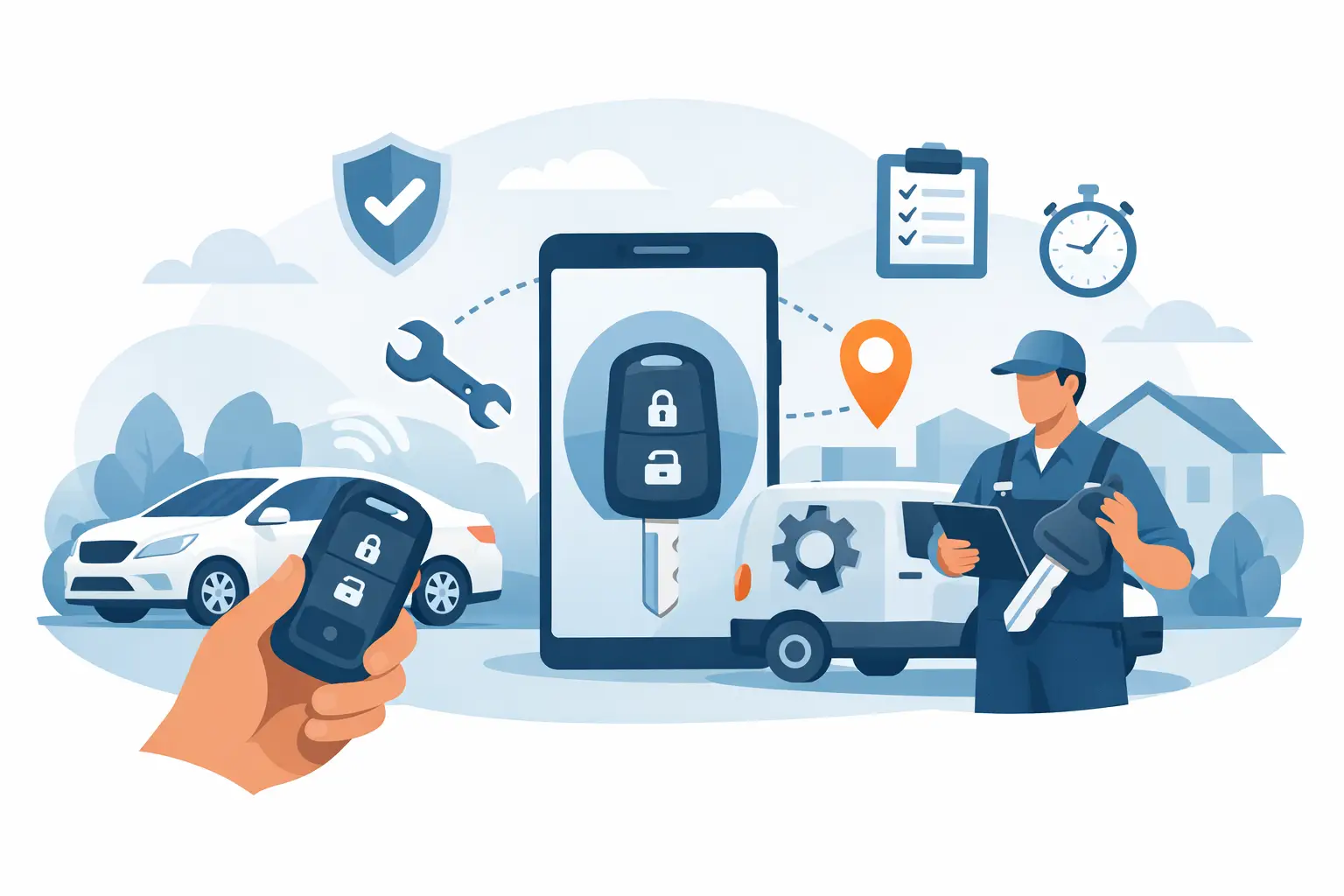
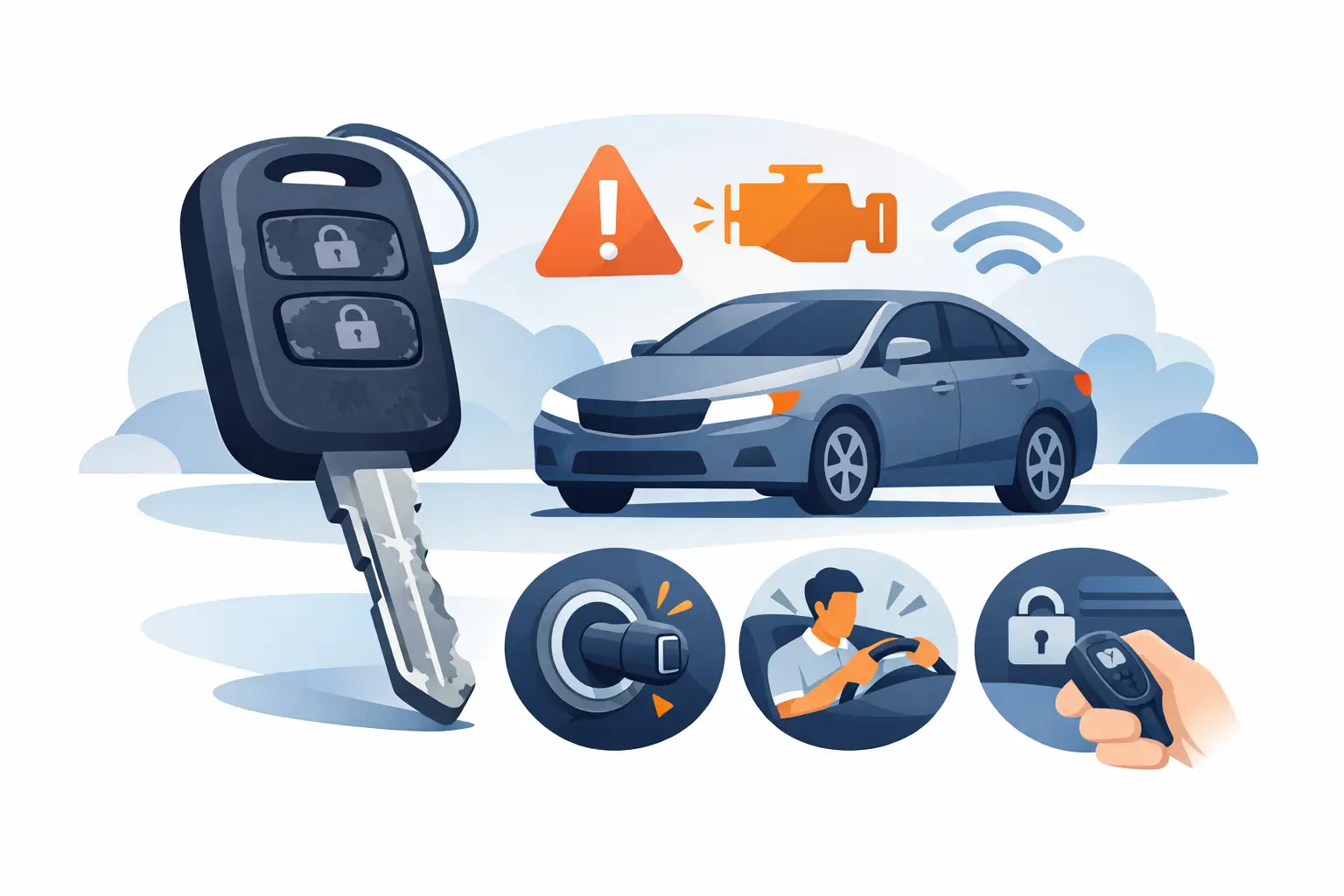
How to Open a Locked Car Safely

How to Open a Locked Car Safely

That sinking feeling usually hits fast – you shut the door, hear the lock click, and spot the keys sitting on the seat. If you are searching for how to open locked car doors, the first thing to know is simple: the wrong move can turn a lockout into a broken window, damaged weather stripping, or an expensive lock repair.

A car lockout is stressful, but it is usually fixable without making the situation worse. The best approach depends on your vehicle, where the keys are, whether the engine is running, and what tools you actually have. Some older cars leave more room for a careful DIY attempt. Newer vehicles often do not. In many cases, the fastest and cheapest option is a mobile auto locksmith who can get to you and open the vehicle without damage.

How to open locked car doors without causing damage

The biggest mistake people make is rushing. Coat hangers, screwdrivers, wedges from the garage, and random bits of metal can tear window seals, scratch paint, bend the door frame, or damage internal lock rods. That can leave you with a bigger bill than the lockout itself.

Before trying anything, stop and check the basics. Make sure every door is actually locked. Try the trunk or hatch if your vehicle design allows cabin access from there. Check whether a rear door or passenger door responds differently from the driver door. If you have a keyless app or a spare remote nearby, now is the time to use it.

If a child or pet is inside, or the car is running in unsafe conditions, this stops being a normal lockout. Treat it as urgent and get emergency help right away.

Start with the simplest options

If you have roadside assistance through your insurer, vehicle warranty, or a motoring plan, call them first and ask for ETA. If you have a spare key at home, think realistically about time. Waiting an hour for a spare may be better than damaging the car in five minutes.

Some vehicles also have manufacturer apps that can remotely open the doors if the account is active and the car is connected. This is common on newer models, but it only helps if everything was set up before the lockout happened.

When a DIY attempt might work

A careful DIY method is sometimes possible on older cars with upright manual lock posts and more forgiving door gaps. Even then, it depends on having proper lockout tools and knowing how to use them lightly. A professional uses an air wedge and long-reach tool to create a small controlled gap and press the internal button or pull the handle.

What matters here is control. Too much force can bend the top of the door and create wind noise or water leaks later. If you do not have the right tools, forcing household items into the gap is rarely worth it.

What not to do when figuring out how to open locked car access points

Breaking a window should be the last resort, not the first idea. Side glass can shatter unpredictably, cause injury, and leave the car insecure until repairs are done. Smashing a small window is not automatically cheaper once glass cleanup, replacement, and possible trim damage are added in.

Using a slim jim is another common misunderstanding. On older vehicles, these tools could sometimes reach the linkage. On many modern cars, they can damage wiring, side airbags, and delicate internal components inside the door. What looks easy in a video often goes badly in real life.

Trying to pry the door open with screwdrivers or hard wedges is also a poor trade. You may gain a few millimeters and lose the seal, paint finish, or alignment of the door edge.

Older cars vs newer cars

Vehicle age makes a real difference. Older cars tend to have simpler mechanical systems. Newer vehicles are tighter, more electronic, and more sensitive to damage. Some have deadlocks, shielded linkages, or anti-theft features that make quick DIY access much harder.

If your car has frameless windows, soft-close doors, double-locking systems, or advanced alarm functions, there is less room for error. These are the situations where professional lockout entry usually saves time and prevents damage.

There is also the key issue. Sometimes the problem is not just that the car is locked. The key fob battery may be dead, the emergency blade may be missing or worn, or the vehicle may not be recognizing the key correctly. In those cases, opening the car is only part of the job.

When to call a mobile auto locksmith

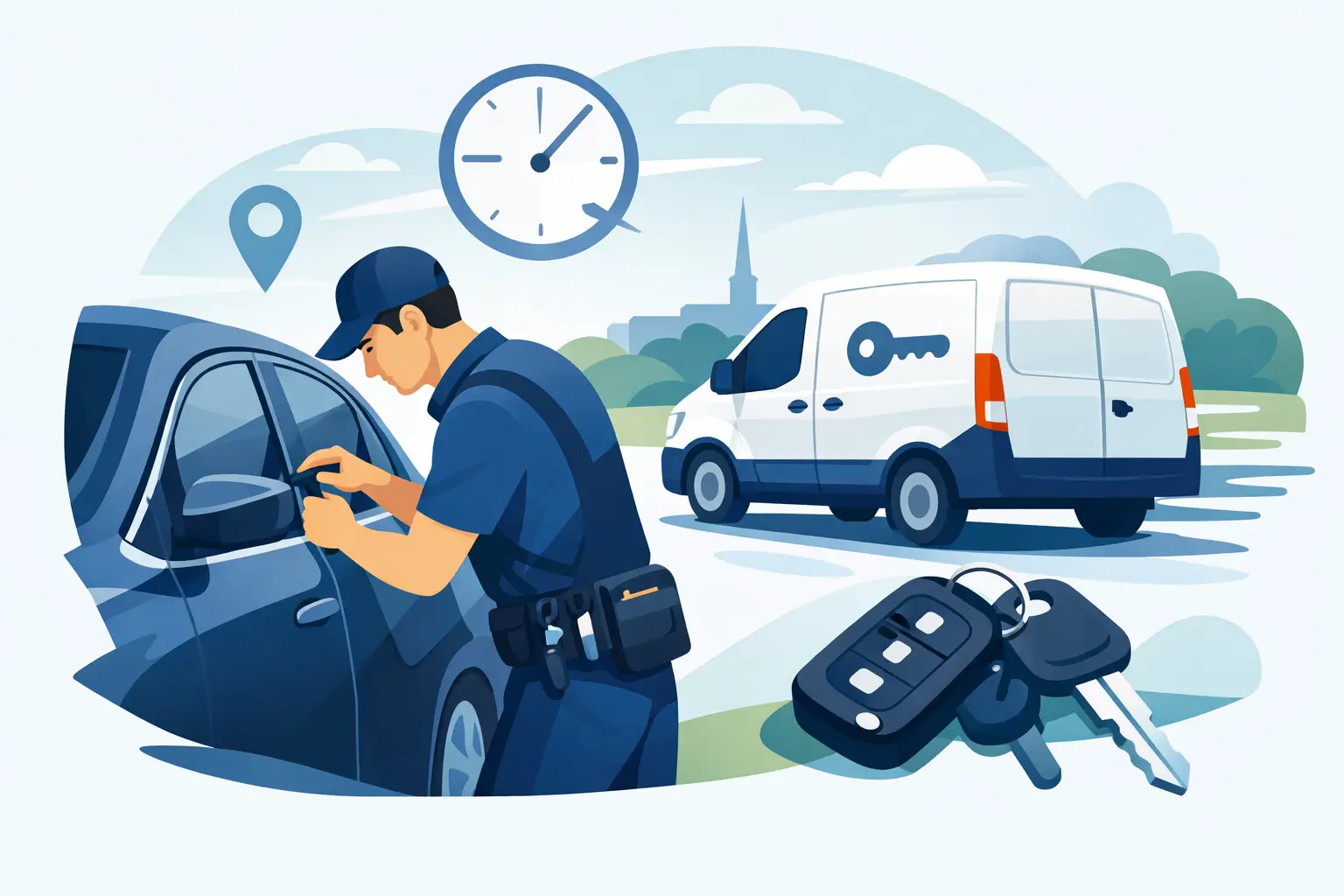
If you need the car open quickly, do not have proper tools, or drive a newer model, calling a locksmith is usually the smart move. A qualified mobile auto locksmith can come to your location, verify ownership, and gain entry with the correct tools. That means no towing, no dealership delay, and no guessing.

This is especially useful if your keys are locked in the trunk, your spare is not available, your fob has failed, or you have lost all keys rather than simply locking them inside. A proper auto locksmith can often do more than open the door. They may also cut and program a replacement key, repair a damaged remote, or sort out an ignition-related issue on-site.

For drivers who depend on the car for work, school runs, or appointments, speed matters. Waiting half a day for the wrong service can be more expensive than paying for the right one straight away.

What a professional will usually do

A proper lockout service starts with identification and proof that the vehicle is yours. That protects both you and the vehicle. From there, the locksmith chooses an entry method based on the make, model, lock type, and risk of damage.

In many cases, that means an air wedge and a long-reach tool used with care to press an internal button, pull the handle, or retrieve keys if they are visible and accessible. On some vehicles, the safest route may be through a different opening point or by using the mechanical lock with specialist tools.

The goal is straightforward: get into the vehicle quickly without leaving you with bent trim, electrical faults, or a door that never seals properly again.

How much it usually costs

Cost depends on the vehicle, time of day, location, and what has actually gone wrong. A simple lockout is normally cheaper than all keys lost. A high-security vehicle with complex access systems may cost more than an older sedan with a standard mechanical setup.

The cheapest-looking option is not always the cheapest outcome. If a low-cost attempt damages the lock, paint, glass, or door frame, you can end up paying for the lockout and the repair. Fair pricing matters, but so does getting the job done right the first time.

That is why many drivers choose a specialist instead of a general roadside provider. A dedicated auto locksmith deals with vehicle access and key systems every day, not just occasionally.

How to reduce the chance of another lockout

Most lockouts happen during routine moments – unloading groceries, fueling up, rushing to work, or dealing with kids and bags at the same time. A spare key kept in the right place makes a big difference, but only if it is actually accessible when you need it.

If your remote is intermittent, the battery is weak, or the key blade is worn, deal with it before it fails completely. Small key problems often turn into lockouts at the worst possible time. Getting a spare cut and programmed early is usually far easier than solving an emergency later.

For drivers in busy areas of the West Midlands and Warwickshire, mobile specialists like Car Key Maker are often the practical answer when time matters and the car needs to be opened where it is parked.

The best next step depends on the car and the risk

If you are stuck outside your vehicle, the right answer is not always a DIY trick. Sometimes it is checking every door and using the spare. Sometimes it is roadside assistance. And sometimes the quickest, safest fix is to get a mobile auto locksmith out to you and avoid turning a simple lockout into bodywork, glass, or lock damage.

When the pressure is on, choose the option that gets you back in the car without leaving you another problem to pay for later.

How to Get Spare Car Key Without the Hassle

The problem usually starts at the worst time – you’re rushing to work, sharing one key between drivers, or realizing your only key is cracked, bent, or starting to fail. If you’re wondering how to get spare car key sorted before it turns into a full breakdown, the short answer is this: get it copied or programmed now, while you still have a working key and a clear set of options.

Leaving it until the key stops working often turns a quick job into an urgent one. Modern car keys are not just bits of cut metal. Many include a transponder chip, remote locking functions, or smart proximity systems that need specialist programming. That means the right solution depends on your vehicle, the type of key you have, and whether you still have at least one working key.

How to Get Spare Car Key the Smart Way

The easiest route is always the one taken before you lose your last key. If you still have a working key, a locksmith can usually duplicate or program a spare much faster and with less cost than starting from scratch with no keys at all. In many cases, the job can be done on-site, which matters if you’re busy or if the vehicle cannot be left somewhere for hours.

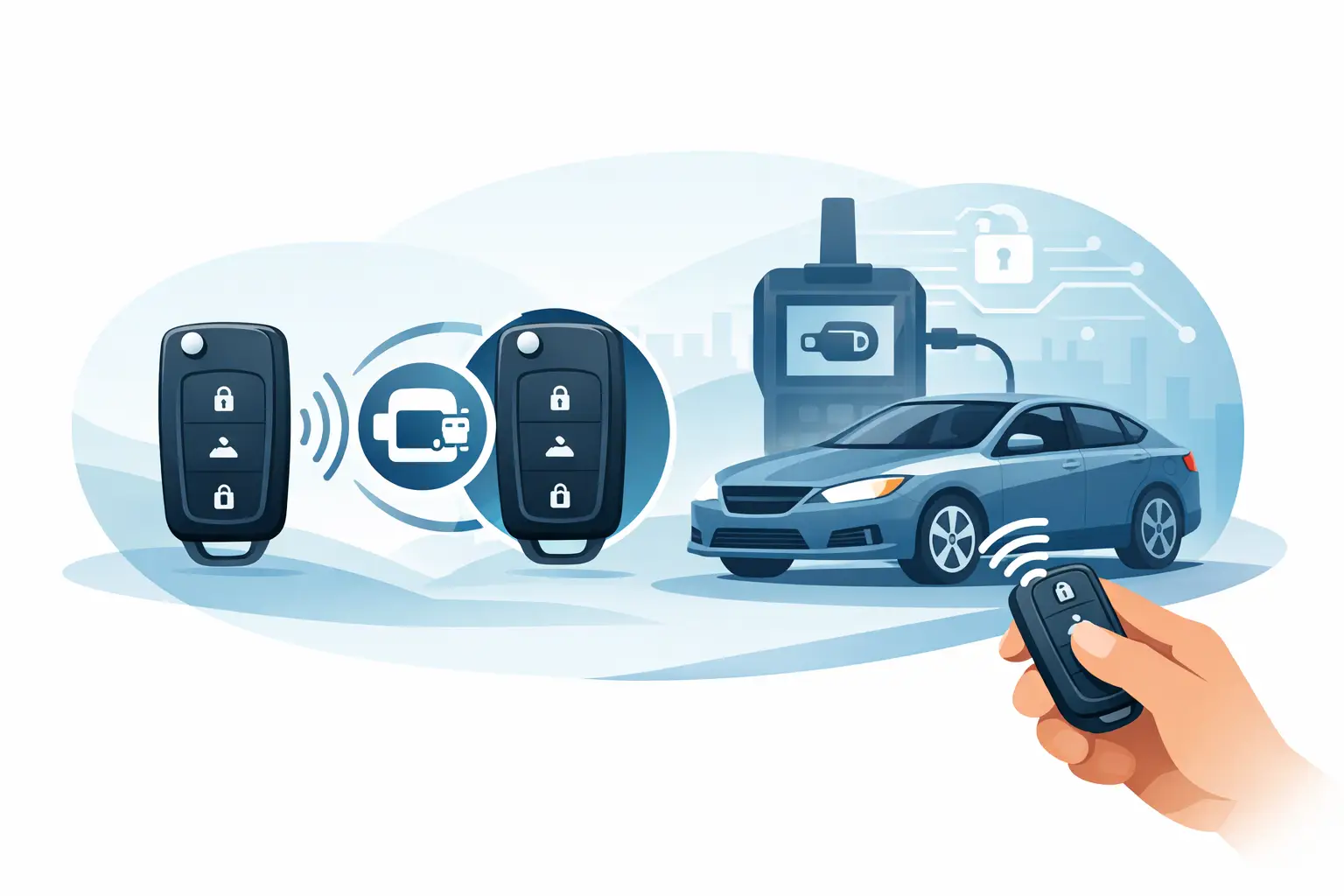
If your key is a basic older style with no chip, the process may be as simple as cutting a copy. If it’s a remote key, flip key, or push-to-start fob, the locksmith or dealer will need to match the key to the vehicle’s immobilizer system. That takes the job beyond a simple hardware store copy. A key that opens the door but will not start the car is not a real spare – it’s only half the job.

The best first step is to identify what key type you have. Look at whether it has remote buttons, a folding blade, a separate fob, or keyless start. Your vehicle year, make, and model matter too, because key systems changed quickly across many brands.

Your Main Options for a Spare Key

Most drivers have three realistic options: a dealership, a locksmith, or a basic key cutting outlet. The right choice depends on the vehicle and the type of spare you actually need.

A dealership can usually supply an original key, but that does not always mean it is the fastest or most practical route. Dealer jobs often involve ordering the key, waiting for stock, arranging programming, and in some cases towing the vehicle if all keys are lost. For some owners that works fine. For others, especially when the car is stranded or needed the same day, the delay is the real problem.

A specialist auto locksmith is usually the more flexible option. A proper vehicle locksmith can cut and program many keys on-site, test the remote, and make sure the spare both opens the car and starts it. That mobile service is often what saves the day when time matters. It also tends to be more realistic on price than going through a main dealer.

A key cutting kiosk or general store can help only in limited cases. If your key has no chip and no electronics, it may be enough. If it is a modern vehicle key, that kind of copy can leave you with a key that looks right but does not function fully.

What You Need Before You Order a Spare

Getting a spare key is much quicker when you have the right information ready. In most cases, you will be asked for your vehicle registration or VIN, the make, model, and year, and proof that the car belongs to you. That is standard security, not red tape.

It also helps to describe the current key clearly. Does it still start the car? Are the remote buttons working? Is the blade worn? Has the case split open? These details matter because sometimes the issue is not just making a spare. It may be smarter to repair the failing key and cut a second one at the same visit.

If all keys are lost, say that upfront. The process is different. The vehicle may need a completely new key programmed from scratch, and in some cases old keys should be removed from the system for security.

If You Still Have One Working Key

This is the best-case scenario. It usually means faster turnaround, lower cost, and fewer complications. A locksmith can clone or program a second key based on the one you already have, depending on the car and system involved.

This is also the point where many people hesitate because the current key still “mostly works.” That is exactly when you should act. If the shell is cracked, the buttons are failing, or you need to jiggle the key in the ignition, you’re already in the warning stage. Waiting until the key dies completely usually costs more and causes more disruption.

For households with two drivers, one spare is often not enough. If the vehicle is used daily for work, school runs, or business appointments, having two fully working keys is basic insurance against hassle.

If You Lost All Keys

Losing every key is where the job gets more urgent and more expensive, but it is still fixable. A specialist locksmith can often come to the vehicle, generate a new key, program it to the car, and get you moving without a tow. That is the biggest practical advantage of mobile service.

The exact process depends on the vehicle. Some cars allow relatively straightforward key generation and programming. Others have tighter security systems that take longer and require more advanced equipment. Either way, this is not the moment for guesswork or a cheap copy that may not communicate properly with the immobilizer.

If a key has been stolen rather than simply misplaced, ask about deleting lost keys from the system. That extra step matters for security. A replacement key solves access. Removing old keys helps protect the vehicle.

Cost, Speed, and What Changes the Price

People usually want a simple number, but spare key pricing depends on the car, the key type, and whether programming is required. An older manual key will cost much less than a late-model smart fob. A duplicate made from an existing working key will usually cost less than an all-keys-lost job.

Speed also varies. Some spare keys can be done the same day in one visit. Others depend on key availability, coding complexity, or whether the existing key is damaged and needs extra repair work. If someone gives you a price without asking what vehicle you have or what kind of key it uses, be careful. Vehicle key work is rarely one-size-fits-all.

The cheapest option is not always the best value either. A poorly cut key can wear locks. Bad programming can cause starting problems or remote failures. Done properly, a spare key should work smoothly from day one.

Common Mistakes to Avoid

The biggest mistake is waiting until there is no working key left. The second is assuming every place that copies keys can handle modern vehicle systems. The third is ignoring early signs of failure, like sticking in the ignition, weak remote response, or a blade that is visibly worn.

Another common mistake is asking only for a “cheap spare” without checking what functions are included. Some drivers are happy with a basic emergency key that starts the car but has no remote buttons. Others want full remote locking and the same convenience as the original. Neither choice is wrong, but you should know what you’re paying for.

It is also worth thinking about security after a lost or stolen key. In some cases, a simple replacement is enough. In others, especially if you know the key was taken, removing old keys from the system is the safer move.

When a Mobile Locksmith Makes the Most Sense

If your vehicle is stuck at home, at work, or in a parking lot, mobile service is often the practical answer. You do not need to arrange towing or lose half a day sitting around. A qualified auto locksmith comes to the car, checks the system, cuts or programs the key, tests it properly, and gets the job done where the problem actually is.

That is especially useful when the issue is more than just needing a spare. Sometimes the key is damaged, the remote has failed, the ignition is worn, or the immobilizer is not recognizing the chip consistently. A hands-on locksmith can spot the real issue instead of just handing over a new shell and hoping for the best.

If you’re in the West Midlands or nearby and need a fast, practical fix, that kind of mobile response is exactly where a specialist service like Car Key Maker proves its value.

A spare key is one of those jobs that feels optional right up until the moment it becomes urgent. If your current key is your only key, or it’s already showing signs of wear, getting ahead of the problem now is the quickest way to avoid being stranded later.

Car Key Programming Cost: What You’ll Pay

You usually find out the real car key programming cost at the worst possible moment – when the car will not start, the spare is missing, or the remote suddenly stops talking to the vehicle. At that point, most people are not comparing technical specs. They want a straight answer: how much is this going to cost, and can it be fixed today?

That is where pricing gets confusing. Some jobs are quick and straightforward. Others involve security systems, immobilizer coding, remote syncing, or deleting lost keys from the car’s memory. The price can vary a lot, not because anyone is making it up, but because modern vehicle keys vary a lot too.

What affects car key programming cost?

The biggest factor is the type of key your vehicle uses. A basic transponder key is usually cheaper to program than a smart proximity key with push-button start. The more security features built into the key and vehicle, the more time, equipment, and technical work the job typically requires.

Vehicle make and model matter as well. Some cars are quick to program on-site. Others need specialist diagnostic tools, security PIN access, EEPROM work, or extra steps to pair the key correctly. Luxury brands and newer vehicles often cost more, but not always. Sometimes a common family car can still be awkward if the system is particularly restrictive.

Another major factor is whether you still have a working key. If you have one key and just need a spare programmed, the job is normally faster and cheaper. If all keys are lost, the locksmith has to start from scratch. That may mean gaining access, cutting a new blade, programming a transponder, pairing a remote, and testing everything on-site.

Timing can also affect cost. An urgent same-day callout, an evening job, or roadside assistance will often cost more than a scheduled appointment. That said, a mobile locksmith is still often more practical than towing a car to a dealer and waiting days for parts and coding.

Typical price ranges

There is no single flat rate that fits every vehicle, but most people can think about pricing in a few broad bands.

For older vehicles with a simple transponder key, programming may be on the lower end of the scale. If the key itself is basic and the system is straightforward, the overall cost is usually more manageable.

For remote flip keys and standard integrated fobs, the price often sits in the middle range. You are paying for both the physical key and the electronic programming. If the remote buttons, blade cutting, and chip coding are all part of the job, the cost naturally rises.

For smart keys and keyless entry systems, programming tends to be higher. These keys are more expensive to source, and pairing them to the vehicle often takes more specialist equipment and more time.

If all keys are lost, expect the total to increase. This is one of the most expensive scenarios because it is not just programming. It is key creation, access, coding, and system testing as a complete job.

A rough guide for many vehicles is that spare key programming may start in the low hundreds, while all-keys-lost jobs can move well beyond that depending on the make and system. The only honest answer is that it depends on the car, the key, and the situation.

Why dealership pricing is often higher

Many drivers assume the dealership is the only safe option for key programming. That is not always true. Dealers can absolutely handle key coding, but they often work to a slower and more expensive process.

First, the vehicle may need to be brought to them. If the car will not start, that can mean recovery or towing costs before the actual key job even begins. Then there is the wait for parts, workshop availability, and scheduling. What feels like one problem quickly becomes three separate costs.

A mobile auto locksmith can often do the same practical job at your location, whether that is at home, at work, or at the roadside. In many cases, that cuts out towing, reduces downtime, and gets the key programmed faster. For busy drivers, families, and tradespeople, that convenience is not a luxury. It is the difference between losing a whole day and getting back on the road.

When cheap quotes are not really cheap

A very low quote can look good until the missing pieces start showing up. Some prices only cover programming and do not include the key itself. Others leave out blade cutting, emergency callout, diagnostics, or remote pairing.

There is also the issue of key quality. Cheap aftermarket keys can work perfectly well on some vehicles, but not all aftermarket parts are equal. Poor-quality fobs may have weak buttons, unreliable signal range, or chips that fail to program properly. That can turn a cheap job into a repeat job.

The best quote is a clear one. You want to know whether the price includes the key, the programming, the blade cutting if needed, the callout, and testing. If old or stolen keys need to be deleted from the vehicle system, ask whether that is included too.

Spare key vs all keys lost

This is one of the biggest pricing differences, and it is worth understanding before you call around.

If you still have one working key, making a spare is usually the cheaper route by far. The locksmith can use the existing key as part of the process, confirm the correct chip type, and program the additional key without rebuilding the whole job from the ground up.

If all keys are lost, the work becomes more involved. The vehicle may need decoding, direct system access, immobilizer programming, and a brand-new key generated from scratch. On some cars, old keys should also be erased from the system for security. That protects you if a lost or stolen key turns up later.

This is why waiting until your last key fails can become expensive. A spare key feels optional until it is not.

Car key programming cost for different problems

Not every programming job starts with a lost key. Sometimes the issue is a remote that stopped working, a damaged flip key, an ignition problem that looks like a key fault, or an immobilizer warning that leaves the car dead.

In those cases, programming may only be one part of the fix. A worn blade might need replacing. A broken shell may need rebuilding. A remote may need repair rather than replacement. Occasionally the fault is in the ignition barrel or the vehicle’s antenna ring, not the key itself.

That matters because the right diagnosis can save money. Paying for a full replacement when the key can be repaired is unnecessary. On the other hand, repeatedly trying cheap battery swaps or internet fixes on a failed transponder key can waste time when proper testing would identify the real problem quickly.

How to avoid paying more than you need to

The simplest way to control cost is to get a spare key made before you are down to your last one. That one decision usually gives you the best value and the least stress.

It also helps to have your vehicle details ready when you ask for a quote. The year, make, model, and whether the car has push-button start can make a big difference. If you can describe the issue clearly – lost all keys, key turns but does not start, remote stopped working, key snapped in the ignition – you are more likely to get an accurate price first time.

Choose a specialist who handles car keys every day, not someone treating it like a side service. Programming modern vehicle keys is not guesswork. The right equipment and experience matter, especially when the car is immobilized and you need it fixed on-site.

In urgent situations, speed matters too. A reliable mobile specialist can usually tell you quickly whether the job is straightforward, whether the price is fixed, and how soon they can attend. That level of clarity is often worth more than a vague cheap estimate.

Is mobile key programming worth it?

For most stranded drivers, yes. If your car is stuck at home, in a parking lot, or outside work, mobile service removes the extra hassle. You do not need to arrange transport for the vehicle just to get a key looked at.

That practical convenience is one reason many drivers now choose mobile auto locksmiths over the dealer route. Companies like Car Key Maker focus on solving the problem where the car sits, which is usually faster and more realistic when time is tight.

The real question is not just what the key costs. It is what the delay costs too – missed work, canceled jobs, school pickups, and the stress of being without your vehicle. When you look at it that way, the right fix at the right time often ends up being the better value.

If you are thinking about a spare, do it before you need it. If you are already stuck, get a clear quote, make sure it covers the full job, and choose someone who can actually get you moving again today.

Car Key Service Cost Comparison

When your only key stops working in a grocery store parking lot or disappears before work, car key service cost comparison stops being a research project and becomes a money question with real pressure behind it. Most drivers are not asking for the cheapest number on a screen. They want the fastest fix that actually works, without paying dealership prices for a problem that can often be handled on-site.

Why a car key service cost comparison matters

Car key pricing is rarely one flat fee because modern car keys are not one simple product. A basic metal key, a transponder key, a flip key, a push-to-start fob, and a smart proximity key all involve different parts, programming steps, and security checks. Add the fact that some jobs can be done at your location while others may involve more diagnostics, and the price range starts to make more sense.

That is why a proper car key service cost comparison should look at more than the headline figure. A lower quote can turn into a higher final bill if it excludes programming, emergency callout, key cutting, remote syncing, or deleting lost keys from the system. A fair quote is the one that matches the actual problem from the start.

The main options and how they usually compare

Most drivers end up choosing between a dealership, a mobile auto locksmith, or a general locksmith. The cost difference often comes down to equipment, convenience, and whether the provider is truly set up for vehicle-specific work.

Dealership pricing

Dealerships are often the most expensive route, especially if all keys are lost. In many cases, they cannot solve the problem where the car is parked. That means you may be paying for towing on top of parts, programming, and labor. If your vehicle is off the road, the delay can matter as much as the invoice.

The dealership route can make sense for very new models, rare systems, or cases where manufacturer-only parts are required. But for many everyday key replacement jobs, the total cost is higher than most drivers expect once transport and wait time are included.

Mobile auto locksmith pricing

A mobile auto locksmith usually offers the best balance of cost and speed. The main advantage is that the work is done where the car sits. That cuts out towing and gets you moving sooner. For lost keys, broken keys, lockouts, remote issues, and many ignition-related problems, on-site service is often the practical option.

This is also where many drivers find better value. A specialist mobile locksmith is usually set up to cut keys, program transponders and remotes, test the result, and handle urgent situations the same day. That does not mean every job is cheap. It means the price is often more realistic for the service being delivered.

General locksmith pricing

A general locksmith may be cheaper for simple lockout help or older non-chip keys, but this depends on the vehicle. Once immobilizer programming, remote pairing, or smart key work is involved, a standard locksmith may not have the equipment or vehicle data needed to complete the job properly.

So the cheapest starting quote is not always the cheapest outcome. If the provider cannot finish the job, you end up paying twice.

What actually changes the price

The biggest factor is the type of key your car uses. A plain mechanical key is at the low end. A transponder key costs more because it must be programmed to the vehicle. Remote keys and flip keys add more cost because they combine cutting, electronics, and syncing. Smart keys and proximity fobs are usually the most expensive because the hardware costs more and the programming process is more involved.

The second major factor is the situation itself. If you still have a working key and just want a spare, the job is usually quicker and less expensive. If all keys are lost, the technician may need to generate a key from the lock or vehicle data, program new keys from scratch, and in some cases erase old keys from the system for security. That is more labor, more time, and more responsibility.

Vehicle make and model also matter. Some brands are straightforward. Others have tighter security systems, encrypted programming, or expensive original-style fobs. Newer luxury vehicles tend to sit at the higher end, while older mainstream models are usually less costly to sort out.

Then there is the timing. An emergency call at night, on a weekend, or in bad weather may cost more than a scheduled daytime visit. Most customers understand that. What matters is whether the pricing is explained clearly before work starts.

Comparing common jobs side by side

A spare key is usually the most affordable service because the technician can clone or program from an existing working key. It is a smart job to do before you have an emergency, and it almost always costs less than replacing your last key.

A lost car key replacement costs more because there is no working key to copy from. The job may involve decoding, cutting, programming, and testing from scratch. If the lost key could be a security risk, deleting it from the car’s memory can add value even if it adds a little cost.

A lockout is often cheaper than key replacement if the key is inside the car and still usable. But if the key is damaged, the battery is dead, or the lockout is caused by a failed remote or broken blade, the job can turn into a repair or replacement visit.

Remote repair usually sits in the middle. Sometimes the fix is simple, such as a case replacement, battery contact repair, or re-sync. Other times the remote is too far gone and replacing it is the sensible option.

Ignition problems can be the hardest to price without inspection. A worn key may just need recutting. A damaged ignition lock barrel may need repair or replacement. If the key will not turn, there is a big difference between a minor wear issue and a failed ignition assembly.

The hidden costs people miss

Towing is the big one. If your car cannot be driven and the service provider cannot come to you, towing can wipe out any savings from a lower quoted key price.

Downtime is another cost, especially for work vehicles, parents on a school run, or anyone who depends on their car daily. Waiting several days for an appointment may look cheaper on paper but cost more in missed work, canceled jobs, or repeated travel problems.

There is also the risk of partial service. If someone can cut a key but not program it properly, or unlock the car but not fix the failed fob causing the issue, the problem is not solved. A proper comparison should ask one simple question: will this price get me fully back on the road?

How to judge a quote properly

A good quote should be clear about what is included. Ask whether the price covers callout, key cutting, programming, remote functions, emergency response, and testing. If all keys are lost, ask whether the old keys can be removed from the system. If the ignition or lock is involved, ask whether the quote is an estimate pending inspection or a fixed price.

It also helps to give accurate information. The year, make, model, and whether you have any working key changes the quote. So does your exact problem. Saying “my key does not work” could mean a dead fob battery, a broken transponder, a worn blade, or an ignition issue. The more precise you are, the more accurate the pricing will be.

When the cheapest option is the wrong one

If you drive an older car and just need a basic spare, price shopping makes sense. If you have lost all keys to a modern push-to-start vehicle, the cheapest provider is not always the best bet. This kind of job needs proper diagnostics, correct programming, and confidence that the car will start reliably when the technician leaves.

That is where specialist experience matters. A no-nonsense mobile service can often save money compared with a dealer while still handling the work properly on-site. For drivers dealing with urgent key issues in the West Midlands and nearby areas, that combination of speed, fair pricing, and real vehicle-specific skill is usually what matters most.

A smarter way to keep costs down

The cheapest car key emergency is the one you prevent. If you still have one working key, getting a spare made now is usually the lowest-cost move you can make. It gives you breathing room, avoids the all-keys-lost price jump, and can save a lot of stress later.

If the key is already worn, sticking, cracked, or only working some of the time, do not wait for it to fail completely. Small issues are often less expensive to fix before they turn into a roadside problem. The best price is not always the lowest quote today. It is the one that solves the problem quickly, properly, and without creating a bigger bill tomorrow.

All Keys Lost Assistance for Your Car

You walk back to your car, pat every pocket again, check your bag, and realize the problem is bigger than a simple lockout. There is no spare. There is no backup plan. If you need all keys lost assistance, speed matters, but so does getting the job done properly so the car starts, the old keys are handled securely, and you are not left waiting days for a dealership appointment.

This is one of the most stressful calls a driver can make because the car is completely immobilized. You cannot just cut a piece of metal and hope for the best. Most modern vehicles need a correctly cut key, a programmed chip, and in many cases remote syncing before everything works as it should. That is why the right response is not just about opening the car. It is about replacing access, restoring starting ability, and making sure the solution is practical on the spot.

What all keys lost assistance actually includes

When every key is gone, the job usually involves more than people expect. First, the vehicle has to be identified accurately by make, model, year, and in some cases the exact lock or immobilizer system fitted to it. After that, a new key has to be cut to match the vehicle. On many cars, that key also needs to be programmed so the immobilizer recognizes it and allows the engine to start.

If the car uses remote locking, the fob may also need to be paired. In some situations, especially if keys were stolen rather than simply misplaced, the old keys should be deleted from the system. That step matters because it reduces the risk of someone using the missing key later.

A proper mobile auto locksmith handles this on-site in many cases. That means you are not arranging a tow, waiting at a service desk, or trying to figure out why a newly cut key turns the lock but still will not start the engine.

Why a mobile locksmith is often the faster option

If your car is stuck at home, at work, in a parking lot, or at the roadside, mobility is the main advantage. A mobile specialist comes to the vehicle with the cutting and programming equipment needed to complete the job where the car sits. For most drivers, that saves time, hassle, and often money.

Dealerships can still be the right route in some cases, especially for very new models, highly restricted systems, or jobs that require manufacturer-only authorization. But for many common vehicles, a qualified auto locksmith can replace and program keys the same day. That is the difference between missing several days of driving and getting back on the road much sooner.

There is also a practical side to this. If all keys are lost, the vehicle often cannot be moved at all. Avoiding towing is not a small benefit. It is one less cost and one less delay when you are already stuck.

What to expect when you call for all keys lost assistance

The first thing you should expect is a few direct questions. A professional locksmith will need the vehicle registration or VIN if available, the make and model, the year, your location, and proof that the vehicle is yours. That is not red tape. It is basic security and part of doing the job responsibly.

From there, you should get a realistic idea of availability and likely cost. Honest pricing matters here because all-keys-lost jobs vary. A basic older car with no remote and a simple transponder setup is very different from a newer push-to-start vehicle with advanced security systems.

Once on-site, the locksmith will confirm the vehicle details, gain access if required, cut the new key, program it, and test every function. That should include not just whether the key fits, but whether it starts the car, locks and unlocks properly, and works reliably more than once. A rushed job can leave you with a key that only works intermittently, which is the last thing you need after an emergency callout.

Why price can vary more than people expect

Drivers often ask for a fixed number straight away, and that makes sense. The trouble is that “all keys lost” covers a wide range of vehicles and systems. The final cost depends on the type of key, the security level of the vehicle, whether specialist programming is needed, and whether there are issues beyond the missing keys.

For example, some cars are straightforward to decode and program. Others may require EEPROM work, PIN code retrieval, or more time-intensive procedures. If the locks or ignition have been changed before, or the system has existing faults, the job can become more involved.

That does not mean you should accept vague answers. It means a good locksmith will explain what is known upfront, what could affect the price, and what they expect to do once they see the car. Clear communication is part of good service, especially when the customer is under pressure.

When lost keys are also a security issue

Not every missing key is just misplaced. Sometimes a bag has been stolen, house keys and car keys were together, or a driver simply cannot rule out theft. In those cases, replacing the key is only part of the solution.

This is where deleting lost keys from the vehicle system becomes important. On some vehicles, that can be done during programming so the missing key no longer starts the car. In more serious cases, lock changes may also be worth considering. It depends on the vehicle, how the key was lost, and your level of risk.

That is one reason experienced all keys lost assistance matters. The right technician will not treat every case the same. If it is a genuine security concern, the advice should reflect that, rather than pushing the fastest possible fix and moving on.

Common delays and how to avoid them

The biggest delays usually come from missing vehicle details, poor diagnostics, or using a general locksmith rather than an auto key specialist. Vehicle keys are no longer simple hardware items. They are part mechanical, part electronic, and sometimes deeply tied into the car’s anti-theft system.

You can help the job move faster by having ID and proof of ownership ready, sharing the exact vehicle details, and mentioning anything unusual. If the ignition has been changed, the battery is flat, the car has aftermarket security, or a previous key was already unreliable, say so early. Those details can save time on arrival.

It also helps to be clear about the outcome you need. Some drivers want one working key as fast as possible. Others want a remote key, a spare made at the same time, or old keys erased from the system. There is no single right answer. It depends on budget, urgency, and how you use the vehicle day to day.

The difference between a quick fix and a proper one

A proper all-keys-lost job should leave you with confidence, not just temporary relief. That means the key works consistently, the remote functions are tested if included, and the immobilizer side is programmed correctly. It also means being told if there is an underlying issue such as a worn ignition, damaged lock, or fault in the remote system.

That practical mindset is what separates a specialist service from guesswork. A no-nonsense mobile auto locksmith is there to solve the problem fully on-site when possible, not create another one a week later. For drivers across the West Midlands and Warwickshire, that usually comes down to fast response, honest advice, and getting the vehicle usable again without unnecessary delays.

If you lose every key to your car, do not panic and do not assume the dealership is your only option. The right help is the kind that arrives ready to cut, program, test, and secure the vehicle properly, so you can get on with your day instead of rearranging your week.

Car Wont Start Immobilizer? What to Check

You turn the key or press the start button, the dash lights up, and then nothing useful happens. If your car wont start immobilizer issues may be the reason, especially if the battery seems fine and the engine will not crank or starts and dies right away. This is one of those faults that feels sudden, but in many cases there were signs before it failed completely.

An immobilizer is a security system designed to stop the vehicle from starting unless it recognizes the correct key or transponder. When that communication fails, the car treats your own key like the wrong one. The result is simple – you are stuck, often with no obvious clue whether the problem is the key, the car, or both.

Why a car wont start immobilizer fault happens

Most immobilizer problems come down to one of three things. The vehicle is not reading the chip in the key, the key is no longer transmitting correctly, or the immobilizer system itself has lost communication with another part of the car.

In older vehicles, a worn key blade can add confusion. The key may still turn in the ignition, but the chip inside the plastic head is what matters for authorization. In newer push-to-start vehicles, a weak key fob, damaged electronics, or failed proximity detection can create the same no-start problem without any visible wear at all.

Sometimes the issue starts after the car battery has gone flat or been replaced. Voltage drops can upset modules, stored sync data, or key recognition. That does not always mean the immobilizer unit has failed, but it can trigger symptoms that look very similar.

Signs the immobilizer is the real problem

A no-start condition does not automatically mean immobilizer trouble. Starters fail, batteries die, and ignition switches wear out. Still, a few signs point more strongly toward a security-related issue.

If the immobilizer warning light stays on or flashes, that is an obvious clue. If the engine cranks but will not start, or it fires for a second and then shuts off, key authorization is worth checking. The same applies if one key works and another does not, or if the fault is intermittent and seems worse after dropping the key, getting it wet, or changing the battery in the fob.

On some vehicles, you may also see messages such as key not detected, incorrect key, or anti-theft system active. Those messages are useful because they narrow the fault down quickly. On others, you get no message at all, just silence and frustration.

What to check first before you call anyone

Start with the simplest possibility. Try your spare key if you have one. If the spare starts the car, the problem is probably in the original key rather than the vehicle itself. That matters because key repair or replacement is usually faster and less expensive than chasing a deeper electrical fault.

Next, check the key fob battery if your vehicle uses one for detection. A dead fob battery does not cause every immobilizer issue, but it can on some systems. If the car has a backup start procedure, such as holding the fob close to the start button or a marked spot on the steering column, try that too.

If you recently changed the car battery, make sure the voltage is healthy and the terminals are tight. Low voltage can confuse vehicle electronics in ways that look like a key problem. Also pay attention to whether the dashboard powers up normally. If lights are dim or systems are acting erratically, the immobilizer may not be the only issue.

Take a careful look at the key itself. Cracks in the casing, signs of water damage, loose buttons, or a key that has come apart can all affect the chip or circuit board inside. If the blade is badly worn, the ignition may turn poorly, but remember that turning the lock and passing immobilizer authorization are two separate jobs.

When the problem is the key, not the car

This is more common than people think. Keys take abuse every day. They get dropped, bent, sat on, soaked, and stuffed into pockets with coins and tools. Over time, the transponder chip can fail, the fob circuit board can break, or the casing can loosen enough to cause unreliable contact.

In practical terms, this often shows up as an intermittent fault first. Maybe the car starts after a few tries. Maybe one day it only works when you hold the key a certain way. That is usually the warning stage. Once the chip or internal electronics fail completely, the car stops recognizing the key at all.

This is where a specialist auto locksmith can save a lot of time. Instead of assuming you need a dealer visit, diagnostics can confirm whether the key is being read, whether a replacement key can be programmed on-site, and whether old keys should be removed from the system for security.

When the immobilizer system in the car is at fault

There are cases where the key is fine but the vehicle is not receiving or processing its signal correctly. The antenna ring around the ignition barrel can fail on turn-key cars. Wiring faults, module issues, water ingress, or previous electrical work can all interfere with immobilizer communication.

Push-to-start vehicles add another layer. If the vehicle cannot detect the fob inside the cabin, the fault could involve the fob, receiver, start authorization module, or related control unit. This is why guessing gets expensive. Replacing parts without testing can waste money fast and still leave the car stranded.

A proper diagnosis matters because symptoms overlap. An immobilizer fault can look like an ignition problem. An ignition issue can look like a dead key. And if the steering lock, ECU, and key system are all talking poorly because of low voltage, it may appear more serious than it is.

Car wont start immobilizer issues after battery replacement

This catches a lot of drivers out. You replace or recharge the battery, expect the car to start, and instead get an anti-theft warning or a key recognition fault. In some vehicles, the system just needs stable voltage and a normal restart sequence. In others, the key and module may need resynchronization.

If this happened right after a battery change, do not keep forcing the issue for half an hour. Repeated failed start attempts can flatten the battery again and make diagnosis harder. It is better to verify battery condition, test with a spare key, and have the security system checked properly if the fault remains.

Why dealership delays are not your only option

When your car will not start, towing it to a dealer is rarely the best first move. It costs time, money, and usually leaves you waiting while the vehicle sits in a queue. For something key or immobilizer related, a mobile auto locksmith can often diagnose and fix the fault where the car is parked.

That is especially useful if all keys are lost, the only key has failed, or the car is stuck at home, at work, or in a parking lot. A qualified locksmith can test the existing key, cut and program a replacement, repair some remote faults, and in many cases deal with ignition barrel and transponder issues on-site. If the problem turns out not to be key-related, you at least avoid paying dealer rates just to find that out.

For drivers in the West Midlands and nearby areas, this is exactly the kind of situation where a fast-response service like Car Key Maker makes sense. The value is not just convenience. It is getting the right diagnosis without losing a day to towing and waiting rooms.

When to stop troubleshooting and get help

If you have tried the spare key, checked the fob battery, confirmed the car battery is healthy, and the immobilizer light is still active, it is time to bring in a specialist. The same applies if the key is broken, lost, stolen, or the fault keeps coming back even after temporary fixes.

There is also a security angle here. If a key has been stolen, deleting old keys from the system is often just as important as replacing the missing one. And if your only working key is showing signs of failure, waiting until it dies completely is a gamble you usually lose at the worst possible time.

The good news is that immobilizer faults are often fixable faster than drivers expect. The hard part is knowing whether the trouble is in the key, the ignition, or the vehicle electronics. Once that is identified properly, the path forward gets much simpler.

If your car suddenly refuses to start and the signs point to the immobilizer, do not assume the whole vehicle is at fault. Sometimes the fix is a replacement key, sometimes it is a programming issue, and sometimes it is a failed component that can be tested on-site. Either way, quick action beats guesswork every time.

When You Need a Mobile Key Cutting Service

You usually realize you need a mobile key cutting service at the worst possible moment – late for work, stuck in a parking lot, outside your house with a key that suddenly will not turn, or standing next to a van that cannot start before the first job of the day. That is exactly why on-site help matters. If your vehicle depends on one working key and that key is lost, broken, worn out, or locked inside, waiting days for a dealer appointment is not much of a solution.

A mobile auto locksmith comes to the car, cuts the key on-site, and handles the programming if your vehicle uses a transponder, remote, or smart system. For most drivers, that means no towing, no arranging rides, and no guessing whether the new key will actually work once you get back to the vehicle. The job gets done where the problem happened.

What a mobile key cutting service actually does

A lot of people hear “key cutting” and picture a simple hardware store machine copying a house key. Vehicle keys are different. Some older cars still use a basic metal blade, but many modern vehicles use chipped keys, remote fobs, flip keys, or proximity systems that need both physical cutting and electronic programming.

A proper mobile key cutting service handles more than shaping the blade. The locksmith identifies the vehicle, checks what type of key system it uses, cuts the new key to match the lock or code, and then programs it so the immobilizer recognizes it. If the remote buttons are part of the key, those may need to be synced as well.

That matters because a key that looks right is not always enough. You can have a freshly cut key that opens the door but will not start the engine. You can also have a remote that locks and unlocks the car but still fails at ignition because the chip is not programmed correctly. On-site service solves the whole problem, not just part of it.

When calling a mobile key cutting service makes sense

The obvious case is lost keys, but that is only one of them. Many calls happen when the key still exists but has stopped being dependable. Maybe it only works after three tries. Maybe it turns in the door but not the ignition. Maybe the blade is bent, cracked, or worn so badly that it is damaging the lock every time you use it.

There are also security-related situations. If a key has been stolen, replacing the key alone may not be enough. Depending on the vehicle, the old key may need to be removed from the system so it can no longer start the car. In some cases, lock changes are worth discussing too, especially if you are worried about access as well as starting.

Then there is the all-keys-lost situation, which feels like the biggest headache but is often exactly where a mobile specialist helps most. A dealer may still be an option for some vehicles, but it usually involves extra delay, more inconvenience, and towing if the car cannot be moved. Mobile service is built for that kind of job.

Why on-site key cutting often beats the dealership

Dealerships have their place, especially for very new or uncommon systems, but for most everyday emergencies, they are not set up around urgency. You may need to book in, prove ownership, wait for parts, arrange transport, and in many cases get the vehicle moved before anything can happen.

A mobile locksmith works the other way around. The service starts with the stranded vehicle, not the workshop schedule. That is a big difference when your car is stuck at home, at work, on a driveway, or in a retail parking lot.

Price is another reason people call a mobile specialist first. Dealer pricing can climb quickly once towing, diagnostics, parts, and labor are added together. A mobile service is often more realistic because the work is focused on solving the key problem directly. That does not mean every job is cheap – smart keys, European models, and all-keys-lost jobs can still cost more – but it often means fewer layers of cost and delay.

How the process works on the day

The first step is usually a quick assessment over the phone. The locksmith will ask for the make, model, year, and a clear description of the problem. Whether you have lost all keys, broken the only key, or locked it inside the car changes what tools and parts are needed.

Once on-site, the locksmith verifies ownership before starting work. That protects both the customer and the vehicle. After that, the job depends on the fault. A duplicate may be straightforward. An all-keys-lost job may involve decoding locks, cutting a fresh blade, programming a transponder, testing remote functions, and checking that the engine starts correctly.

If the issue is not only the key, a good technician will say so. Sometimes the real fault is a worn ignition lock, a damaged remote shell, broken buttons, or a barrel that has become stiff enough to make even a good key seem defective. This is where experience matters. Replacing the key without spotting a failing ignition can leave you with the same problem a week later.

Mobile key cutting service for emergencies and everyday backups

Not every call is a roadside emergency. Plenty of drivers just want a spare before trouble starts. That is smart, especially if you only have one working key. Once you are down to a single key, every normal risk becomes more expensive. Lose it, snap it, wash it, or lock it in the trunk, and you have gone from a simple duplicate job to a full replacement.

Getting a backup key cut while the original still works is usually faster and more affordable. The locksmith can copy a functioning key, test the duplicate immediately, and make sure you are not one accident away from being stranded. For families with shared vehicles, tradespeople with work vans, or anyone who drives daily, a spare is more practical than people think.

There is a trade-off, though. The cheapest duplicate is not always the best option if the original key is already badly worn. Copying a worn key can copy the wear as well. In those cases, decoding and cutting to the proper specifications may give better long-term results than simply cloning what you already have.

What affects cost and timing

Drivers usually want two answers right away – how much and how soon. The honest answer is that it depends on the vehicle and the fault.

An older manual key is usually simpler and quicker than a proximity fob for a newer vehicle. A spare key made from an existing working key is generally easier than creating a replacement when all keys are gone. If the car has immobilizer issues, damaged locks, or ignition barrel problems, the job may take longer because the problem goes beyond cutting alone.

Location can affect timing too. If you are in the West Midlands, Warwickshire, Leicestershire, or nearby areas, a local mobile specialist can usually reach you faster than a provider coming from farther out. Fast response matters more when the vehicle is blocking access, stuck in a work lot, or leaving a family without transport.

The best approach is simple: give accurate details upfront. Wrong model year, missing information about a broken key, or not mentioning that all keys are lost can slow the job down. The more precise the description, the faster the right solution gets to you.

Choosing the right mobile key cutting service

Speed matters, but speed without capability is not much use. You want someone who can actually finish the job on-site, not just show up, inspect the car, and tell you it needs to go elsewhere.

Look for a service that deals specifically with vehicle keys and locks, not general locksmith work alone. Ask whether they can cut and program on-site, whether they handle all-keys-lost situations, and whether they can help if the problem turns out to be the ignition or lock rather than the key itself. Clear pricing also matters. In a stressful moment, vague quotes tend to become expensive ones.

This is where a specialist service like Car Key Maker stands out. The job is not treated like a side offering or a callout that might lead to a referral. It is the core work – getting drivers back into their vehicles, back on the road, and back to normal with as little delay as possible.

A practical way to avoid the next key emergency

If your key is cracked, your remote casing is loose, the blade is bent, or the ignition has started feeling rough, do not wait for complete failure. These problems rarely fix themselves. They usually fail on the day you have no time for it.

A mobile key cutting service is not just for emergencies after the fact. It is also the fastest way to stay ahead of one. Get the spare made, replace the worn key before it snaps, and deal with small faults while they are still small. Your future self will be glad you did.

How Mobile Car Key Replacement Works

Losing your only car key rarely happens at a convenient time. It happens before work, outside the grocery store, on a school run, or when the key suddenly stops turning and the car will not start. That is usually when people ask how mobile car key replacement works, and whether it can really be done at the roadside, at home, or in a parking lot without towing the vehicle anywhere.

The short answer is yes – in many cases, a qualified mobile auto locksmith can come to you, identify the problem, cut or supply the right key, program it to the vehicle, and test everything on-site. The exact process depends on the make, model, year, and what has gone wrong, but the goal stays the same: get you back into your car and back on the road as quickly as possible.

How mobile car key replacement works in real life

A mobile service is built around one thing: bringing the workshop to the vehicle. Instead of arranging recovery or waiting days for a dealership appointment, the locksmith arrives with the tools, blanks, programming equipment, and diagnostic gear needed to handle most key problems where the car is parked.

That matters because modern car keys are rarely just pieces of cut metal. Many contain transponder chips, remote locking functions, or smart proximity systems that must match the car’s immobilizer before the engine will start. Replacing the key is often a mix of mechanical work and electronic programming.

When you call, the first step is usually diagnosis before arrival. You will normally be asked for the vehicle registration, make, model, year, and a clear description of the issue. Is the key lost? Snapped? Locked inside? Turning in the door but not starting the car? Has the remote stopped working? Those details help narrow down what equipment and parts are needed before the locksmith sets off.

What happens when the locksmith arrives

Once on-site, the locksmith confirms ownership and checks the vehicle condition. That part is not just box-ticking. It protects the vehicle owner, the locksmith, and the security of the car itself.

After that, the actual job begins with identifying the type of key system the vehicle uses. Older vehicles may only need a straightforward mechanical cut. Newer models often need a transponder chip programmed to the immobilizer. Push-to-start vehicles may need a smart key or proximity fob configured to the car’s system.

If all keys are lost, the process is more involved than copying an existing key. The locksmith has to generate a new key from the lock, vehicle data, or specialist key code information, then program it to the vehicle. If you still have one working key, replacement is usually faster and cheaper because the existing key can sometimes be cloned or used as a reference.

Cutting the key on-site

For many people, the surprising part is that the key can often be cut right there beside the vehicle. Mobile auto locksmith vans are typically equipped with key cutting machines that can produce a new blade to match the vehicle’s locks and ignition.

How that key is produced depends on the situation. If there is an existing working key, the new blade can often be duplicated from it. If there is no key at all, the locksmith may decode the door lock, ignition lock, or use vehicle data to determine the correct cut pattern.

This is one area where experience matters. A badly cut key can stick, wear the lock, or fail to turn consistently. A good mobile locksmith is not just making something that looks similar. They are making a key that works cleanly in the real world, not only in theory.

Programming the chip or remote

This is where many replacements stop being a simple hardware job. Most modern vehicles have an immobilizer system that looks for the correct transponder chip before allowing the engine to start. Even if the blade is cut perfectly, the car may still refuse to start until the key is properly programmed.

Programming usually involves diagnostic equipment connected to the vehicle. The locksmith communicates with the car’s onboard system, adds the new key to memory, and tests whether the immobilizer recognizes it. If the key includes remote buttons for locking and unlocking, those functions may need to be synced as well.

In stolen key or security-sensitive cases, old keys can often be deleted from the system so they no longer start the vehicle. That is an important difference between simply getting another key and actually restoring control over who can access and drive your car.

Why pricing can vary so much

People often expect one standard price for key replacement, then get frustrated when they hear “it depends.” The truth is, it really does depend.

A basic metal key for an older vehicle is a very different job from replacing an all-keys-lost smart fob for a late-model car with encrypted security. The price can change based on the key type, whether all keys are lost, whether the car needs emergency entry first, whether there is ignition damage, and how much programming is involved.

That does not mean pricing should be vague. A reliable mobile locksmith should explain what the job involves and give a clear idea of cost before starting work where possible. For many drivers, the value is not only the final price. It is also avoiding towing fees, dealer delays, and the time lost waiting around without a working vehicle.

How long it usually takes

A simple duplicate key can be done quickly. An all-keys-lost job on a modern vehicle will take longer because there is more to do – gaining access if needed, cutting the key, programming it, and testing every function.

Traffic, vehicle complexity, and parts availability all play a role. Some jobs are straightforward and completed fast. Others involve anti-theft systems, worn locks, or damaged ignitions that need extra work. The key point is that mobile replacement is designed to remove unnecessary delay, not create more of it.

For drivers who need the car the same day, that matters more than anything. If your vehicle is how you get to work, collect the kids, or run a business, speed is not a luxury. It is part of the fix.

Common situations a mobile locksmith can handle

When people think about key replacement, they usually picture a lost key. In reality, the problem is often messier than that.

A key may be bent, worn down, cracked, or snapped in the ignition. The remote may stop responding. The car may say no key detected. The blade may open the door but not start the engine. Sometimes the issue is not the key alone but the ignition barrel, door lock, or a fault that is being mistaken for a dead key.

That is another reason mobile service works well. The locksmith can assess the full problem on-site instead of guessing based on symptoms. If the issue is a damaged ignition or failed remote casing rather than a complete key replacement, a practical repair may be the better and cheaper option.

Dealership vs mobile replacement

There are cases where a dealership route makes sense, especially for very new or highly restricted systems. But for many vehicles, a mobile auto locksmith is the faster and more realistic option.

The dealership model often means arranging transport for a vehicle that cannot be driven, waiting for parts, and working around service department schedules. A mobile locksmith is built for the opposite situation: urgent response, on-site work, and getting the problem solved without moving the car.

That convenience is not a small detail. If the vehicle is stuck at home, at work, or in a public parking area, bringing the service to you removes a lot of hassle immediately. For drivers across areas like the West Midlands and Warwickshire, that kind of direct response is often the difference between losing a whole day and getting back on with it.

What you can do before help arrives

If you need a replacement key, having the right information ready can speed things up. Your vehicle registration, make, model, year, and location help the locksmith prepare. If you know whether the spare is also missing, whether the key has remote buttons, or whether the ignition is jammed, mention that early.

It also helps to check the basics before assuming the key is dead. A flat fob battery can sometimes mimic a bigger problem. So can a locked steering wheel or a worn key that has been getting harder to turn for weeks. Even then, do not force anything. Turning a worn key too aggressively can turn a simple replacement into a broken key extraction and ignition repair.

How mobile car key replacement works best

The best results come from accurate diagnosis, the right equipment, and someone who knows the difference between a quick fix and the correct fix. Mobile car key replacement is not magic. It is skilled locksmith work carried out with specialist tools at your location, often under time pressure and in stressful situations.

If your key is lost, broken, stolen, or simply not doing its job anymore, the main thing to know is this: you usually do not need to tow the car, wait around for days, or guess your way through it. A proper mobile service is there to cut through the problem fast, explain what is needed clearly, and get you moving again with as little disruption as possible. When your car key fails, practical help matters more than theory.

Damage Free Car Unlocking Done Right

You shut the door, hear the lock click, and then see the keys sitting on the seat. That is the moment damage free car unlocking matters most. When you are late for work, stuck in a parking lot, or standing outside your vehicle with a child seat, tools, or groceries trapped inside, the last thing you need is a broken window, bent door frame, or a repair bill on top of the lockout.

A lot of drivers assume getting back into a locked car means forcing something open. It does not. In many cases, a trained auto locksmith can open the vehicle without harming the lock, door, weather seals, paint, or glass. The key point is this: the right method depends on the vehicle, the locking system, and what caused the lockout in the first place.

What damage free car unlocking actually means

Damage free car unlocking means using controlled entry methods designed to open a locked vehicle without causing visible or hidden damage. That includes avoiding scratches to paintwork, tears to rubber seals, bends in the upper door frame, damage to the locking mechanism, and harm to electronic components inside the door.

That sounds straightforward, but modern vehicles are not all built the same. Older cars may allow direct manipulation of the lock or latch with the correct tools. Newer vehicles often have tighter tolerances, shielded linkages, deadlocking systems, side-impact protection, and electronic security features that change the approach completely. What works on one model can damage another.

This is why improvised methods so often go wrong. A coat hanger, wedge from the garage, screwdriver, or online hack can turn a simple lockout into a much bigger repair. Bent metal can cause wind noise and water leaks. Damaged seals can lead to long-term issues that show up weeks later. Even if the car opens, the cost of putting it right can be far higher than calling a specialist first.

Why DIY lockout attempts often cause damage

When people panic, they usually focus on one thing: getting the door open fast. The problem is that speed without the right tools causes mistakes.

A common DIY approach is to pry the top of the door away from the body and try to reach the inside with a rod or wire. On some vehicles, that slight bend does not spring back cleanly. The result can be a permanent gap, chipped paint on the door edge, or a seal that never sits correctly again. Another mistake is forcing the key in a lock that is stiff, worn, or not meant to be the primary entry point anymore. That can leave you with a broken key blade or a lock that now needs repair as well.

There is also the electronic side. Many vehicles have sensitive side airbags, internal wiring, and anti-theft components within the door assembly. Rough entry methods increase the risk of damaging parts you cannot even see. It is one reason a professional locksmith will assess the vehicle first rather than just start forcing access.

How a professional handles damage free car unlocking

A proper auto locksmith starts by identifying the make, model, year, and lockout type. That matters because not every lockout is the same. Keys locked in the trunk, keys visible on the seat, all keys lost, a failed remote, and a dead battery can all look similar from the outside, but they call for different solutions.

Vehicle assessment comes first

Before any tool goes near the car, the locksmith checks how the vehicle is secured and whether there are safer entry options. On some cars, entry through one door is less risky than another. On others, the safest route may involve accessing the mechanical lock, decoding the issue with the remote, or addressing a flat battery that is preventing normal entry.

That first assessment is what separates a specialist from guesswork. Good locksmiths do not treat every car like it can be opened the same way.

The tools are precise, not improvised

Professional entry tools are designed for vehicle access, not general prying. They are used with care to create controlled working space, protect the bodywork, and manipulate the correct part of the locking system. Used properly, they reduce pressure on the door and avoid the scraping and bending that homemade tools often cause.

Just as important is knowing when not to use them. Some vehicles are better handled through non-invasive lock techniques or by resolving the underlying key issue instead of forcing an entry method that is technically possible but not ideal.

Experience matters more than force

The real value is not just the equipment. It is knowing the lock layouts, common weak points, and model-specific risks. An experienced mobile auto locksmith has usually seen the same problem dozens of times before. That means a faster decision, a cleaner method, and a lower chance of turning a lockout into body or lock damage.

When damage free car unlocking is possible – and when it depends

In many routine lockouts, damage free car unlocking is absolutely possible. If the vehicle is locked with the keys inside, the locks and latch are functioning normally, and the security system is behaving as expected, professional access can often be gained without any damage.

But there are cases where it depends. If a lock has already been damaged, the car has been deadlocked, the key has snapped inside the lock, or the vehicle has been involved in a break-in attempt, the job may be less straightforward. The goal is still to avoid additional damage, but the method may shift from simple entry to lock repair, key extraction, or key replacement.

Weather can matter too. Frozen seals, swollen door rubbers, or previous accident repairs can affect how safely a vehicle can be opened. A good locksmith will tell you honestly if the job is routine or if there is added risk because of the condition of the car.

Why mobile service makes a real difference

If you are locked out in a driveway, office lot, roadside stop, or supermarket parking area, getting the vehicle to a shop is not practical. That is where a mobile auto locksmith has the advantage. The service comes to you, the problem is assessed on-site, and the right solution can often be completed there and then.

For drivers in urgent situations, that matters. Families need to get moving. Tradespeople need tools from the vehicle. Commuters need to get to work. Business drivers cannot afford half a day lost to a simple lockout. Fast dispatch and on-site capability remove a lot of the stress.

This is also why many people choose a specialist over a dealership route. A dealer may be able to advise on keys or security systems, but they are rarely the fastest answer for immediate vehicle access. If the problem is happening now, you need someone who handles lockouts as live jobs, not service desk appointments.

What to do while you wait for help

If you are facing a lockout, the smartest move is usually to stop trying random methods before damage starts. Check every door and the trunk once, calmly. If the car uses a remote, replace the battery only if that can be done safely and quickly. If a child or pet is in the vehicle and there is immediate danger, call emergency services first.

After that, give clear details when you call for help: your location, the vehicle make and model, whether the keys are inside, and whether there are any special circumstances such as a broken key, dead battery, or urgent access need. That helps the locksmith arrive prepared.

If you are in the West Midlands or Warwickshire and need a fast-response mobile specialist, Car Key Maker handles these situations on-site with the focus most drivers want: quick arrival, sensible pricing, and no unnecessary damage.

Choosing the right locksmith for damage free car unlocking

Not every locksmith focuses on vehicles, and not every roadside service is equipped for modern automotive locks. Ask whether they specialize in auto lockouts, whether they work on your type of vehicle, and whether they use non-destructive methods whenever possible.

You also want clear communication. In a stressful moment, vague promises are no help. A good locksmith should explain what they expect, what could affect the job, and what the likely next step is if the issue turns out to be more than a standard lockout.

Fast help matters, but so does getting the job done cleanly. A cheap callout that leaves you with a bent frame or damaged lock is not cheap at all.

The best lockout service is the one that gets you back into your car without adding a second problem. That is what damage free car unlocking is really about – not just opening the door, but protecting the vehicle you still need to rely on tomorrow.

Car Key Replacement Without the Dealer

You walk back to your car, reach for your key, and realize the day just changed. Maybe the key is gone, snapped in the lock, locked in the trunk, or the fob suddenly stopped talking to the car. In moments like that, car key replacement stops being a routine service and becomes the one thing standing between you and the rest of your day.

The good news is that getting a new key is usually faster and easier than people expect. The bad news is that not every situation needs the same fix. Some keys can be duplicated in minutes. Some need programming. Some vehicles need old keys erased from the system for security. And if the issue is actually the ignition, a new key alone will not solve it.

What car key replacement actually includes

A lot of drivers use the term broadly, and that makes sense. Sometimes they need a spare. Sometimes all keys are lost. Sometimes the key turns but will not start the car. Sometimes the remote buttons fail but the blade still works. These are all different jobs, even though they often get lumped under car key replacement.

The simplest version is cutting a new mechanical key from an existing working key. More involved cases include programming a transponder chip or remote fob so the vehicle recognizes it. In higher-security situations, the job may also include deleting lost or stolen keys from the car’s system so they can no longer be used.

That distinction matters because price, time, and the right repair path all depend on what failed. A worn key is one thing. An immobilizer issue is another. A broken ignition barrel is a different problem again.

When you need car key replacement right away

Most calls happen because the problem has already turned urgent. A school run, work shift, delivery route, or weekend plan gets stopped cold by a key problem. In those moments, speed matters as much as cost.

All keys lost

This is the one that worries people most, and for good reason. If there is no working key at all, the vehicle usually needs a new key cut and programmed from scratch. Depending on the car, that may involve decoding the lock, accessing onboard data, or both. It is more involved than copying a spare, but it is still a routine job for an experienced auto locksmith.

Broken or worn keys

Keys do not usually fail all at once. They wear down over time, start sticking, then finally stop working when you are in a hurry. If the blade is rounded off or cracked, duplication from that worn key may not always give a reliable result. In some cases, the better fix is cutting a fresh key to the proper code rather than copying the wear.

Locked keys inside the car

This is not always a replacement job, but it often turns into one. If the only key is locked inside and there is no spare, gaining entry is the first step. If the key is also damaged, the remote dead, or the lock mechanism has an issue, replacement or repair may still be needed on the spot.

Stolen keys

This is where security matters more than convenience. If a key has been stolen, making a duplicate is not enough. The safer option is to program new keys and remove the missing one from the vehicle system so it cannot start the car later.

Dealership vs mobile locksmith

Most drivers assume the dealership is the default choice. Sometimes it is an option, but it is rarely the quickest one when the car cannot move.

A dealer may ask for the vehicle to be brought in, which can mean towing if all keys are lost or the ignition is not working. There may also be longer wait times for appointments, parts, and coding. For some vehicles, especially newer or less common models, dealer involvement can still make sense. But for many everyday key problems, a mobile auto locksmith can do the job sooner and at a more realistic price.

That mobile part is what changes the situation. Instead of arranging recovery, waiting at a service desk, and losing half a day, the locksmith comes to the car, diagnoses the fault, and completes the work on-site if the issue fits the service. That is a practical advantage, not a luxury.

What affects the cost of car key replacement

People usually want one answer on price, but there is no honest flat number that covers every car. The cost depends on the type of key, the make and model, whether all keys are lost, and whether programming or ignition work is involved.

A basic non-remote key is usually the least expensive. Remote keys and smart keys cost more because there is more hardware and programming involved. An all-keys-lost situation tends to be higher than duplicating an existing key because the locksmith has to create a working solution from nothing. If the ignition lock is damaged or a broken key has jammed inside it, that adds another layer.

The better question is not just “How much is a key?” but “What exactly has failed?” That is how you avoid paying for the wrong fix.

Why a key sometimes is not the real problem

This catches a lot of people out. The key gets blamed because the car will not start, but the underlying fault may be in the ignition, the antenna ring, the remote circuit, or the lock barrel itself.

Remote works, but car will not start

That often points to a transponder or immobilizer issue rather than a dead battery in the fob. The doors may unlock normally while the engine still refuses to recognize the key.

Key turns badly or not at all

That can be a worn key, but it can also be a failing ignition barrel. Replacing the key alone might improve things for a while, or not at all, depending on how worn the lock components are.

Buttons stopped working

Sometimes the fix is a battery or remote repair rather than full replacement. If the key blade still starts the car and only the lock and unlock buttons have failed, replacing the whole unit may be unnecessary.

A good locksmith does not force every problem into the same service. They work out whether you need a duplicate, a programmed replacement, a lock repair, or an ignition repair, then handle the right job.

What to expect from a mobile service visit

If you have never used a mobile auto locksmith before, the process is usually straightforward. First comes basic vehicle and location information so the right equipment and key type can be confirmed. Once on-site, the locksmith checks the fault, verifies ownership, and confirms the correct repair path.

If it is a standard replacement, the new key is cut and then programmed to the vehicle if required. The remote functions are tested, the transponder is checked, and the engine start is verified before the job is finished. In a security-sensitive case, missing keys can be deleted from the system where the vehicle allows it.

That on-site testing matters. The aim is not just handing over a key-shaped object. It is making sure the new key actually locks, unlocks, and starts the vehicle properly before anyone leaves.

How to avoid another key emergency

Once you have gone through this once, a spare key starts to look a lot cheaper. That is usually the smartest next step, especially for households with one daily-use car or for vans and work vehicles that cannot afford downtime.

It also helps to act early when the signs show up. If your key is bending, cracking, sticking, or only working after a few tries, do not wait for complete failure. Worn keys and tired ignitions usually get worse, not better.

For remote keys, change batteries before they go completely flat if the range drops or button response gets inconsistent. And if a key has been lost in a way that raises security concerns, ask about deleting it from the vehicle system rather than assuming it will never turn up again.

Choosing the right help when time matters

The best car key replacement service is not the one with the fanciest sales pitch. It is the one that can quickly tell what is wrong, explain the fix in plain English, and get you moving without dragging the job out. That means experience with modern keys, on-site programming capability, and the ability to handle more than basic duplication.

For drivers dealing with a lost, broken, stolen, or non-working key, speed and competence matter most. If the service can come to you, solve the problem where the car is parked, and do it at a fair price, that is usually the right call.

If your car key has failed at the worst possible time, do not guess and do not wait for it to get worse. The quickest fix is often the one that comes to you, works the problem properly, and gets your car back in service the same day.