
You usually find out you need transponder key replacement steps at the worst possible time – when the car will not start, the key is missing, or the spare stopped working months ago and now that matters. For most drivers, the real question is not how the chip works. It is how to get back on the road today without towing the vehicle, overpaying, or guessing wrong.
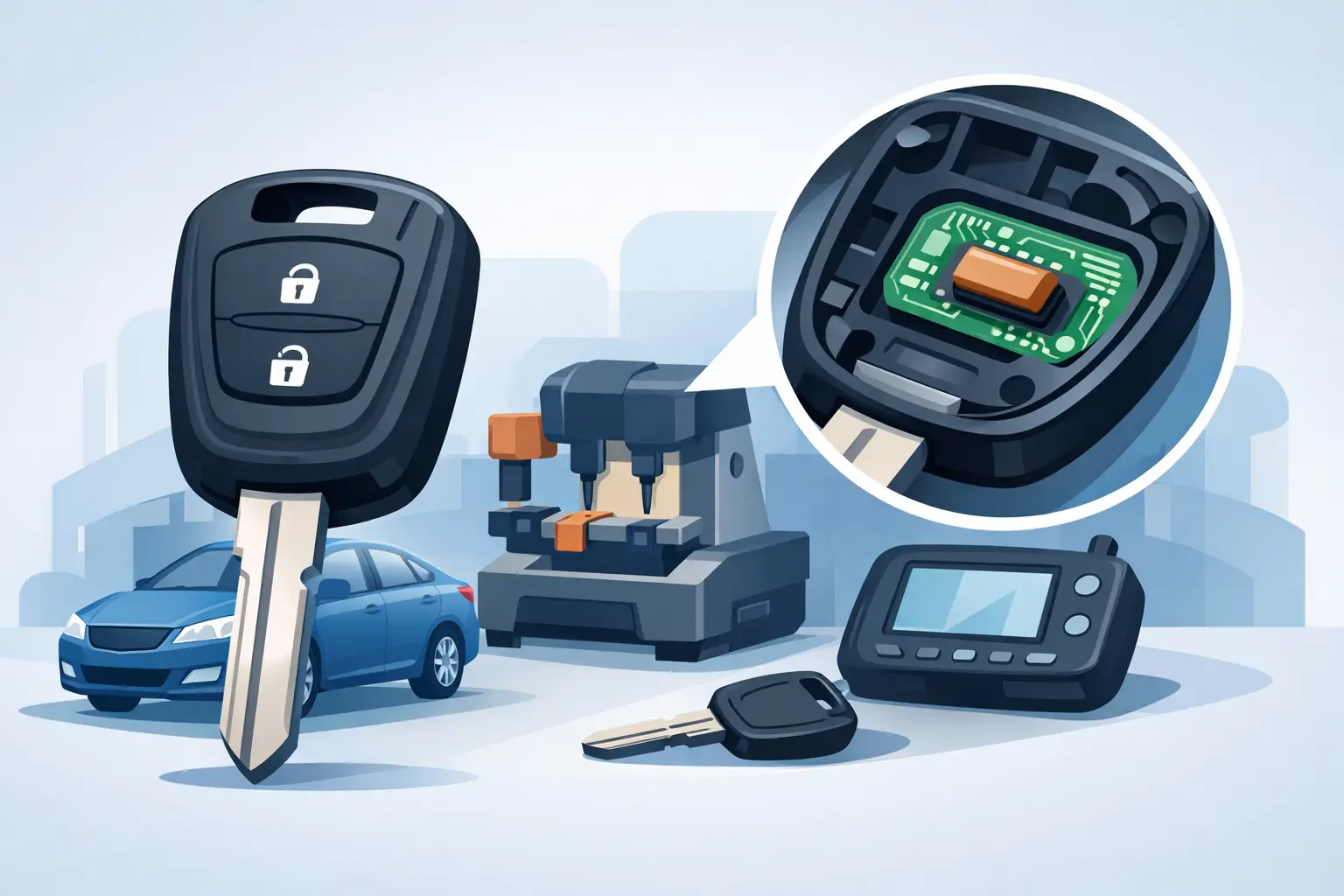
A transponder key is not just a piece of cut metal. It has a small chip inside that communicates with your vehicle’s immobilizer system. If that chip is missing, damaged, unprogrammed, or no longer recognized by the car, the engine may crank and die, or it may not start at all. That is why replacing one is more than cutting a new blade.
What transponder key replacement steps actually involve
The basic transponder key replacement steps are simple to describe, but they vary by vehicle. First, the key type has to be identified. Then the replacement key or shell has to match the vehicle. After that, the blade is cut, the chip is programmed, and the new key is tested in the doors, ignition, and starting system.
That sounds straightforward, but it depends on what has gone wrong. If you still have one working key, the process is usually faster. If all keys are lost, the job takes more work because the locksmith may need to generate a key from the lock or vehicle data, then program it from scratch. Some vehicles also need old keys deleted from memory for security, especially after theft or loss.
Step 1: Confirm the problem is really the transponder key
Drivers often assume the battery is dead or the ignition has failed, when the issue is actually with the key chip. A worn blade can stop the key from turning smoothly, while a failed transponder chip can let the key turn but still prevent the car from starting.
A proper check usually starts with symptoms. If the remote buttons stopped working, that does not always mean the transponder chip failed. Remote locking and immobilizer programming are often separate functions. If the car unlocks but will not start, or starts with one key but not another, that points more clearly to a transponder issue.
This is one place where guessing gets expensive. Buying a random replacement key online can leave you with the wrong chip type, the wrong blade profile, or a key that can be cut but never programmed to your vehicle.
Step 2: Identify the exact key type and vehicle system
Not all transponder keys are the same. Different makes, models, and years use different chip types, security protocols, and programming methods. Some vehicles use a basic transponder key. Others use a flip key, smart key, or proximity system with added steps.
The important detail is compatibility. A replacement key has to match the vehicle’s immobilizer system, not just fit the ignition. That is why a locksmith will normally ask for the vehicle make, model, year, and sometimes the VIN before quoting or attending.
If your car has had previous key issues, ignition repairs, or replacement modules, that can also affect the job. It does not always make it harder, but it does mean the technician needs to check what is currently fitted rather than assume the car still has its original setup.
Step 3: Verify ownership and access the vehicle data
A legitimate transponder key replacement should always include proof of ownership. That protects the vehicle owner and keeps the process compliant. In most cases, that means showing ID and documents that match the car.
Once that is done, the locksmith can move on to the technical side. Depending on the vehicle, they may decode the lock, cut by code, or use diagnostic tools to access the immobilizer system. This step matters most when all keys are lost, because there is no working key to copy.
For the customer, this is where a mobile service saves time. Instead of arranging recovery to a dealer, the job can often be handled where the vehicle sits – at home, at work, or in a parking lot.
Transponder key replacement steps for cutting the new key
After the correct key is selected, the blade has to be cut to match the vehicle locks and ignition. This is not just about opening the door. If the blade is poorly cut, it can stick, wear the ignition, or fail under pressure.
A good cut should turn smoothly in both the door and ignition. If the original key was badly worn, copying that wear can create a weak duplicate. In those cases, cutting from code or decoding the lock usually gives a better result than cloning a tired old key.
This is one of the trade-offs customers do not always see at first. The cheapest route is not always the one that lasts. A badly cut key may seem fine on the day and then start jamming a week later.
Step 5: Program the transponder chip to the vehicle
This is the step that turns a cut key into a working starting key. The transponder chip must be introduced to the vehicle’s immobilizer so the car recognizes it as authorized. Some vehicles allow onboard programming under limited conditions, but many require specialist diagnostic equipment.
Programming can involve adding a key, clearing missing keys from memory, or reconfiguring the system after all keys are lost. Some makes are quick. Others have longer security wait times or stricter procedures.
It also depends on whether the replacement key is a true programmed key or a cloned copy. Cloning can be useful on some vehicles when speed matters and a working key is available, but it is not always the best option. Adding a fresh programmed key to the immobilizer system may offer better control, especially if a lost key needs to be disabled.
Step 6: Test every function before the job is finished
A replacement key should be tested fully before anyone packs away their tools. That means checking the blade in the lock and ignition, confirming the vehicle starts reliably, and testing the remote buttons if the key includes them.
This matters because a key can be partly right and still not be right enough. The blade may turn, but the chip may not program correctly. The remote may lock the doors, but the immobilizer may still reject the key. Good testing catches that on-site instead of leaving the customer with another problem later the same day.
When the process changes
Some situations add extra steps. If the key was stolen, the safest move is often to erase old keys from the system so they can no longer start the vehicle. If the ignition has been replaced before, the door locks and ignition may not match, which affects how the new key is cut and programmed.
If the key broke in the ignition or the lock barrel is worn, replacing the key alone may not solve the issue. The same applies when the immobilizer fault is caused by a module problem rather than the key itself. A decent locksmith will tell you that early instead of forcing a key solution onto a non-key fault.
That is where experience makes a real difference. Fast response is important, but accuracy matters just as much when the vehicle security system is involved.
Dealer or mobile locksmith?
It depends on the car and the situation. Dealers can handle many transponder key jobs, but they often require the vehicle to be brought in, and that can mean towing costs, longer wait times, and less flexibility if the car is stuck somewhere inconvenient.
A mobile auto locksmith can usually do the same core work on-site for many vehicles – key generation, cutting, programming, and testing. That is often the better fit when the issue is urgent, all keys are lost, or the vehicle cannot be driven.
There are exceptions. Some newer high-security systems or rare models may have tighter restrictions. But for a large number of everyday vehicles, mobile service is the faster and more practical answer.
What affects the price
The cost is shaped by the vehicle make and model, the key type, whether you have a working key, and whether the job includes remote functions, security deletion, or ignition-related work. All keys lost is usually more expensive than duplicating an existing working key, because it takes more labor and equipment time.
The biggest mistake customers make is comparing prices without comparing the actual job. A low quote for a cut key alone is not the same as a fully programmed transponder key that starts the car and has been tested properly. If security matters because a key was lost or stolen, deleting old keys should also be part of the conversation.
How to make the next replacement easier
If you already have one working transponder key, making a spare now is usually the cheapest and least stressful option. Waiting until the last key is gone turns a simpler job into an emergency callout.
It also helps to fix small warning signs early. If the key shell is cracked, the blade is loose, or starting has become hit and miss, get it checked before the key fails completely. For drivers who rely on the car every day, that small bit of prevention is worth more than the savings from putting it off.
If you are stuck with a non-starting car, a missing key, or a key that turns but will not communicate with the vehicle, the right fix is usually quicker than people expect once the correct process starts. The best next step is not guessing – it is getting the key identified, cut, programmed, and tested properly so the problem is actually finished.