
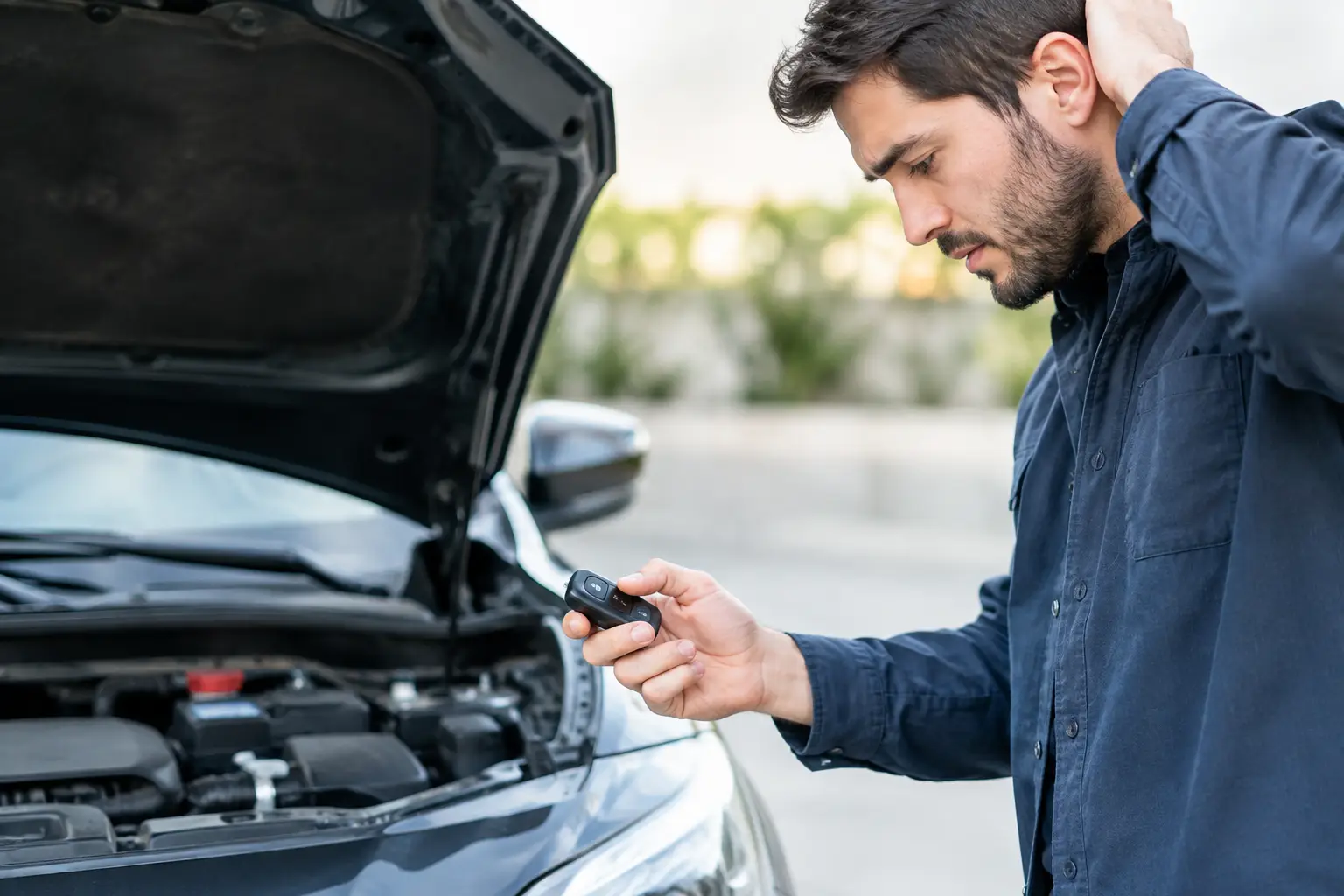
Your key may turn in the ignition, the dashboard may light up, and yet the engine still will not start. For many modern vehicles, that points to key programming rather than a mechanical fault. The key has to be recognised by the car’s immobiliser before it will allow the engine to run. When that recognition fails, you can be left stranded with a vehicle that looks perfectly normal but will not move.
This is not a job to guess at with a cheap online device or a copied key blank. The right fix depends on the vehicle, the key type and whether you still have a working key. A qualified auto locksmith can diagnose the issue at the vehicle and programme, test and check the replacement key properly.
What Is Car Key Programming?
Most cars built over the last couple of decades use an immobiliser system. Inside the key, remote fob or proximity key is a transponder chip. When you place the key in the ignition, press the start button or bring the fob into the vehicle, the car reads that chip and checks that it is authorised.
Car key programming is the process of adding a key’s transponder or remote function to the vehicle’s system. It is what allows the car to recognise a replacement key as its own. Depending on the make and model, it may involve specialist diagnostic equipment, security access and information taken directly from the vehicle.
Programming is separate from cutting the blade. A metal blade can be cut accurately and still fail to start the car if the chip has not been programmed. Equally, a programmed remote may unlock the doors but need a correctly cut emergency blade for manual entry on vehicles that use one.
When Key Programming Is Needed
The most obvious situation is an all-keys-lost job. Without an existing key, the locksmith must create a new key, gain the required security access and programme it to the vehicle. This is more involved than simply making a copy, but it can often be completed at your location without the disruption of arranging vehicle recovery.
You may also need programming after a key has been lost, damaged or stolen. A damaged fob can have a cracked circuit board, water damage or a failed transponder. If the chip is no longer read, the car will not start even if the blade still turns. A replacement key needs pairing to restore normal use.
Stolen keys require an extra security step. It is often possible to remove old keys from the vehicle’s memory so the missing key can no longer start it. Where there is a genuine theft concern, the locks or ignition may also need attention. The right approach depends on how the vehicle was accessed, the condition of the locks and the owner’s security needs.
Programming can also be required when a remote has stopped operating, a spare key has never been set up correctly or the vehicle has lost key synchronisation following an electrical issue. The warning signs vary. You might see an immobiliser light flash, get a ‘key not detected’ message, find that the central locking works but the engine will not start, or have a key that works only intermittently.
A Faulty Key Is Not Always the Problem
It is easy to blame the key when the car will not start, but the key is only one part of the system. A weak vehicle battery, a flat fob battery, damaged ignition barrel, wiring issue or fault within the immobiliser can produce similar symptoms.
That is why proper diagnosis matters. Replacing and programming a key will not cure an ignition barrel that is worn out or a vehicle battery with insufficient voltage. On the other hand, changing a fob battery will not repair a failed transponder chip. An experienced locksmith checks the key, the vehicle response and the relevant system before recommending work.
There is also a difference between remote programming and immobiliser programming. If the buttons no longer lock or unlock the car, the remote side may need repair, resynchronisation or replacement. If the engine does not start, the immobiliser chip and vehicle authorisation are the priority. Some jobs involve both; others do not.
Why a Mobile Locksmith Is the Practical Option
A vehicle that cannot recognise its key usually cannot be driven anywhere. That makes a mobile service particularly useful. The work can be carried out where the car is parked, whether that is at home, at work, on a driveway or in a car park.
A mobile auto locksmith arrives with key-cutting equipment, diagnostic tools and the key stock needed for many common vehicles. Once the problem has been assessed, the aim is to cut the key, programme the required functions and test it before leaving. For an urgent all-keys-lost situation, this avoids waiting for a tow and then waiting again for the vehicle to be dealt with elsewhere.
The process is not identical for every car. Some models can be programmed through the diagnostic port, while others need more advanced work with the vehicle’s electronic systems. Keyless cars, older transponder systems and certain premium models each have their own procedures. A professional will explain what is required in plain language rather than promising a one-size-fits-all solution.
What to Have Ready Before the Locksmith Arrives
Having the right details available helps the job move faster. The vehicle registration, make, model and approximate year are useful from the first call. The vehicle identification number can also help identify the correct key type, especially where several versions were used for the same model.
You will normally need to show proof that you own the vehicle or are authorised to have work carried out. This is an essential safeguard. Programming keys gives access to the vehicle and its security system, so a reputable locksmith will not bypass ownership checks.
If you have a spare key, bring it out even if it seems faulty. It may reveal whether the issue is with one key or the vehicle itself, and it can sometimes make the programming process more straightforward. Tell the locksmith if the key was stolen, snapped in the ignition, exposed to water, or if a warning message is showing on the dash. Those details can prevent wasted time.
Can You Programme a Car Key Yourself?
A few older vehicles have simple procedures for synchronising a remote. These may get the locking buttons working again after a battery change, but they are not the same as adding an immobiliser key. Modern key programming commonly requires specialist equipment and authorised security access.
Buying a blank key online can create more problems than it solves. The key may be the wrong frequency, use an incompatible chip or be poorly made. It may also need cutting and programming tools that are not available to the average driver. More importantly, repeated unsuccessful attempts can complicate diagnosis when you need the car back on the road quickly.
If you have bought a key already, it may still be usable, but it needs checking before work begins. In many cases, supplying a proven compatible key is the safer route because it avoids turning an urgent repair into a second visit.
Looking After Your Newly Programmed Key
Once a replacement has been programmed, test every function before the locksmith leaves. Check that it locks and unlocks the doors, starts the vehicle and operates any boot release or keyless entry functions that apply. If you have an existing spare, test that too. Some vehicles need all keys present during programming, and you do not want to discover later that an older key no longer works.
Keep a spare key somewhere safe away from the vehicle, rather than inside it. For families, tradespeople and anyone who depends on their car for work, a tested spare can turn a stressful all-keys-lost emergency into a short callout. Avoid storing the fob where it can be crushed, soaked or repeatedly dropped, and replace its battery promptly when the range starts to reduce.
If your car is showing an immobiliser warning, refusing to detect the key or starting only occasionally, do not wait for the key to fail completely. Car Key Maker can assess the fault on-site across the West Midlands and Warwickshire and provide the practical help needed to get you moving again. Acting while you still have one working key usually gives you more options and far less disruption.