The Best Reasons to Duplicate Car Keys Now

The Best Reasons to Duplicate Car Keys Now

A spare car key rarely feels urgent until the only key stops working, goes missing or gets locked inside the vehicle. That is why the best reasons to duplicate car keys are mostly about avoiding the disruption that follows a small problem. One working key can be enough on an ordinary day. It is not much help when you are late for work, collecting children, heading to a job or parked somewhere unfamiliar.

A duplicate gives you options before you need emergency help. It is a practical backup for drivers who depend on their vehicle every day, whether that means commuting across the West Midlands, making deliveries or getting the family where they need to be.

The best reasons to duplicate car keys before trouble starts

A key can fail without much warning

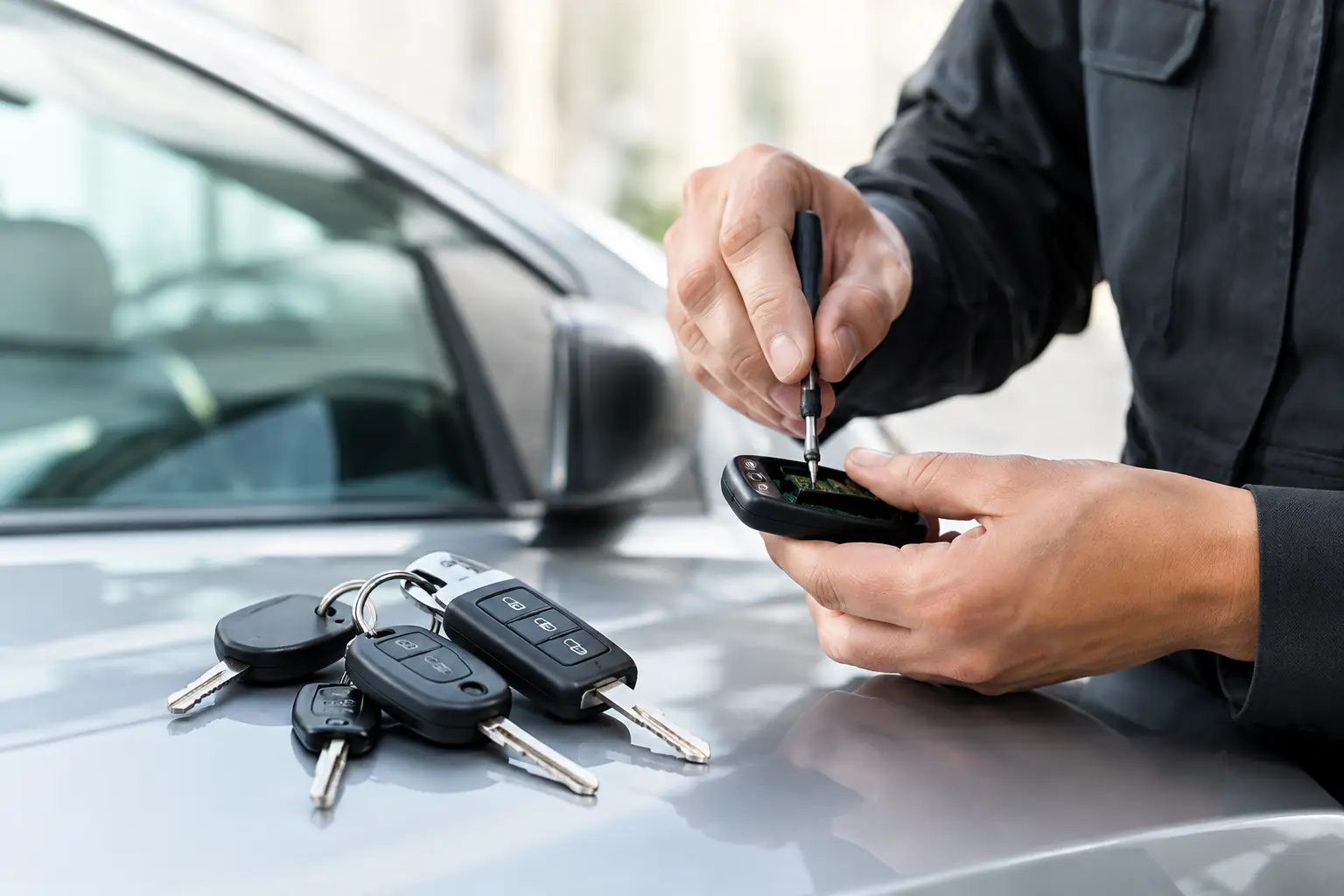
Car keys wear out. On older vehicles, the metal blade can become worn and stop turning the lock or ignition cleanly. Buttons on a remote can fail, the case can split, and the internal transponder chip can be damaged after a drop or a trip through the washing machine.

Problems often begin gradually. You may need to press a button more than once, jiggle the key in the ignition or stand closer to the car for the remote to respond. These are not always signs that the battery is the only issue. If the key starts behaving differently, arranging a duplicate while it still works gives a locksmith a reliable key to copy and programme from.

Waiting for complete failure can leave you stranded. A duplicate does not stop the original key wearing out, but it means a failed key is an inconvenience rather than a day-stopping problem.

Lost keys are easier to manage with a spare at home

Keys get misplaced in ordinary ways: left in a coat pocket, dropped during a shop visit, taken away in the wrong bag or lost somewhere between the drive and the front door. Searching is frustrating enough when you have time. It is far more stressful when your car is needed immediately.

Keeping a tested spare in a secure place at home means you can regain access without relying on guesswork. It also helps to decide in advance who can reach that spare if you are away from home. A trusted family member may be able to bring it to you, or you may be able to collect it safely.

Do not keep the spare inside the car, under a wheel arch or in an obvious magnetic box. Those places defeat the point of having a backup and can create a security risk.

It protects your routine after a lockout

Lockouts are not limited to old-fashioned keys. Modern remote keys can be left on a seat, in the boot or in a bag that is placed inside the vehicle before the doors close. Some vehicles are designed to reduce this risk, but no system is perfect, particularly when a key battery is weak or the car is being loaded in a hurry.

A duplicate cannot prevent every lockout, but it changes the next step. Instead of trying improvised methods that can damage a door seal, lock or window, you have a legitimate way to get moving again. If the spare is not accessible, a mobile auto locksmith can still help, but preparation gives you more control over the situation.

Two drivers should not have to share one key

One key quickly becomes a problem in households where two people use the same car. It can be passed between partners at the front door, forgotten in a work bag or taken away when the other person needs the vehicle. The issue is even more obvious for families with a newly qualified driver or a relative who occasionally needs access.

A properly programmed duplicate allows each regular driver to use the car without creating a handover routine. It is a small practical change, but it removes one of the common causes of last-minute disruption.

For vehicles with remote locking, keyless entry or a remote start function, the duplicate should be checked for every feature you expect it to perform. A key that starts the engine but does not lock the car remotely may still be useful, but it is not the same as a full everyday spare.

It keeps work vehicles available

For tradespeople, carers, delivery drivers and local business owners, a vehicle key problem can interrupt far more than a personal journey. Tools, equipment, appointments and stock may all be in the vehicle. A single damaged or lost key can leave work at a standstill.

Having at least one spare key stored separately from the main key is sensible contingency planning. The same applies to a small fleet, where the keys should be clearly labelled and kept under controlled access. This is not about making more keys than necessary. It is about making sure a preventable key issue does not take a vehicle out of use.

When duplicating a car key needs specialist equipment

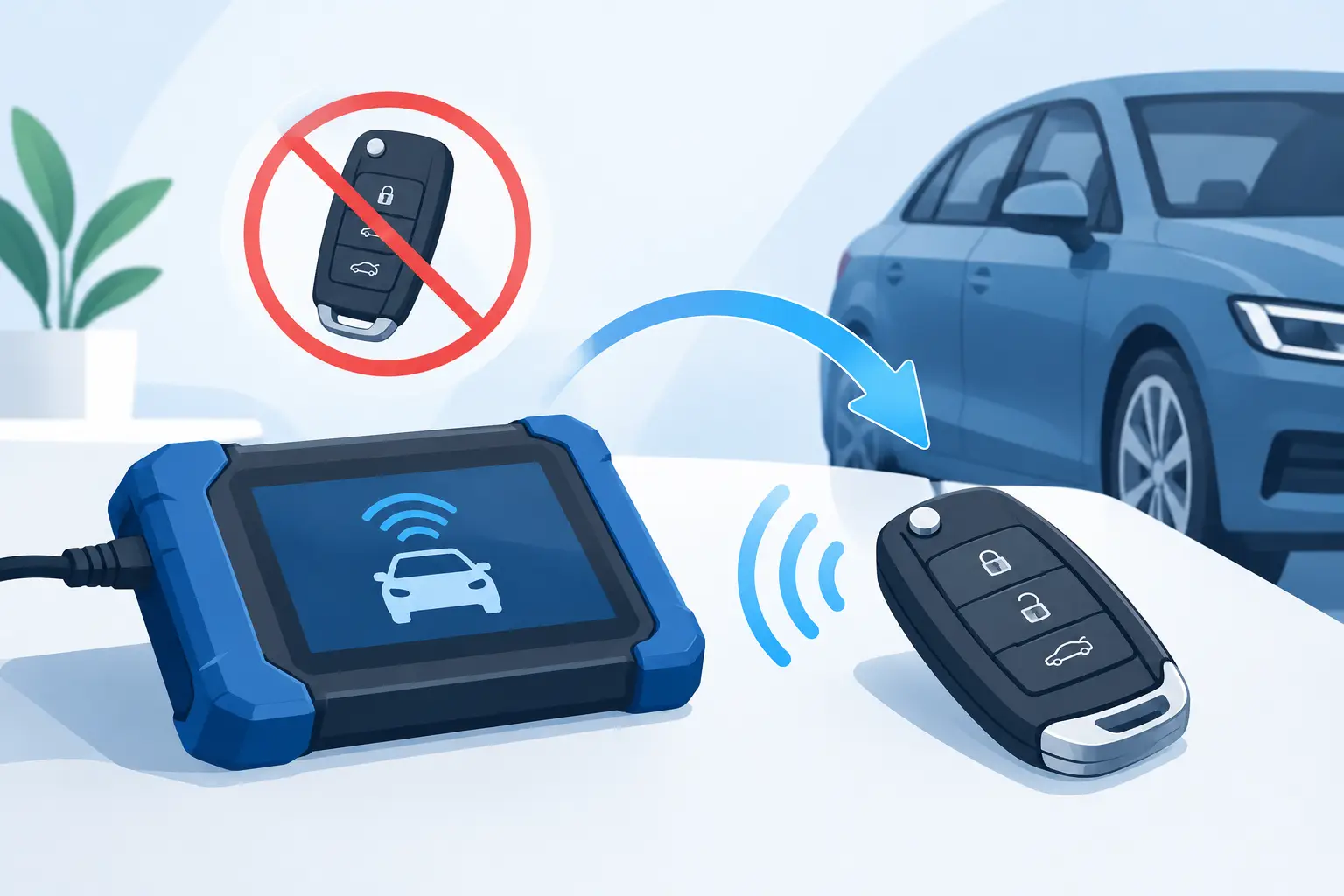
Not every spare is a simple metal copy. Many vehicles use a transponder chip that communicates with the immobiliser. Without the correct chip and programming, the key may turn in the ignition but the engine will not start. Remote and keyless systems can require further programming so that the buttons, proximity functions and vehicle security features work correctly.

This is why a hardware-shop style copy is not always suitable for a modern vehicle. The physical blade may look right, while the electronic side is missing or incorrectly set up. A vehicle locksmith can identify the key type, cut the blade where required, programme the transponder or remote and test the result on the vehicle.

The process depends on the make, model, year and key system. Some cars can have a duplicate added quickly when one working key is present. Others have more involved security procedures. The right approach is to assess the vehicle rather than assume every key is the same.

Duplicate a working key, not a badly damaged one

If your current key has a cracked case, a loose blade, missing buttons or unreliable starting behaviour, deal with it before it breaks completely. Copying a severely worn blade can carry the same wear into the new key, and transferring damaged electronics into a replacement shell will not cure an internal fault.

A specialist can advise whether the best solution is a fresh duplicate, a repaired remote, a replacement key shell, an ignition repair or further diagnostics. That matters because key trouble is sometimes a symptom of a worn ignition lock barrel rather than the key itself.

A spare key also matters after theft or suspected loss

There is a difference between misplacing a key in your home and losing one alongside information that identifies your vehicle or address. If a key has been stolen, or you believe it could be connected to your car, simply using the remaining key may not be enough for peace of mind.

In these cases, ask about removing the missing key from the vehicle’s system and supplying replacement keys where appropriate. Depending on the vehicle and circumstances, lock changes may also be worth considering. Security-sensitive situations need a proper assessment, not a quick assumption that a spare key solves everything.

Where should you keep a duplicate car key?

The best location is secure, dry and separate from the vehicle. A locked drawer or a sensible place at home is usually better than carrying both keys together. If both keys are in the same bag, losing that bag leaves you with no backup at all.

Avoid leaving a spare with visible vehicle details attached. If you use a key label, keep it simple and do not include your address, registration number or a note that makes the vehicle easy to identify. For keyless fobs, consider a protective signal-blocking pouch at home if relay theft is a concern for your vehicle.

Once you have the duplicate, test it properly. Check that it unlocks and locks the doors, starts the engine, operates the boot where applicable and works at a sensible distance. Then test it again occasionally. A spare hidden away for years is only useful if its battery, electronics and blade are still in working order.

The best time to sort a second key is when your current one still works and you are not under pressure. If you are down to one key, noticing faults or sharing a vehicle regularly, arranging a duplicate now leaves you with a straightforward answer when the unexpected happens.
9 Best Signs Your Car Ignition Needs Repair

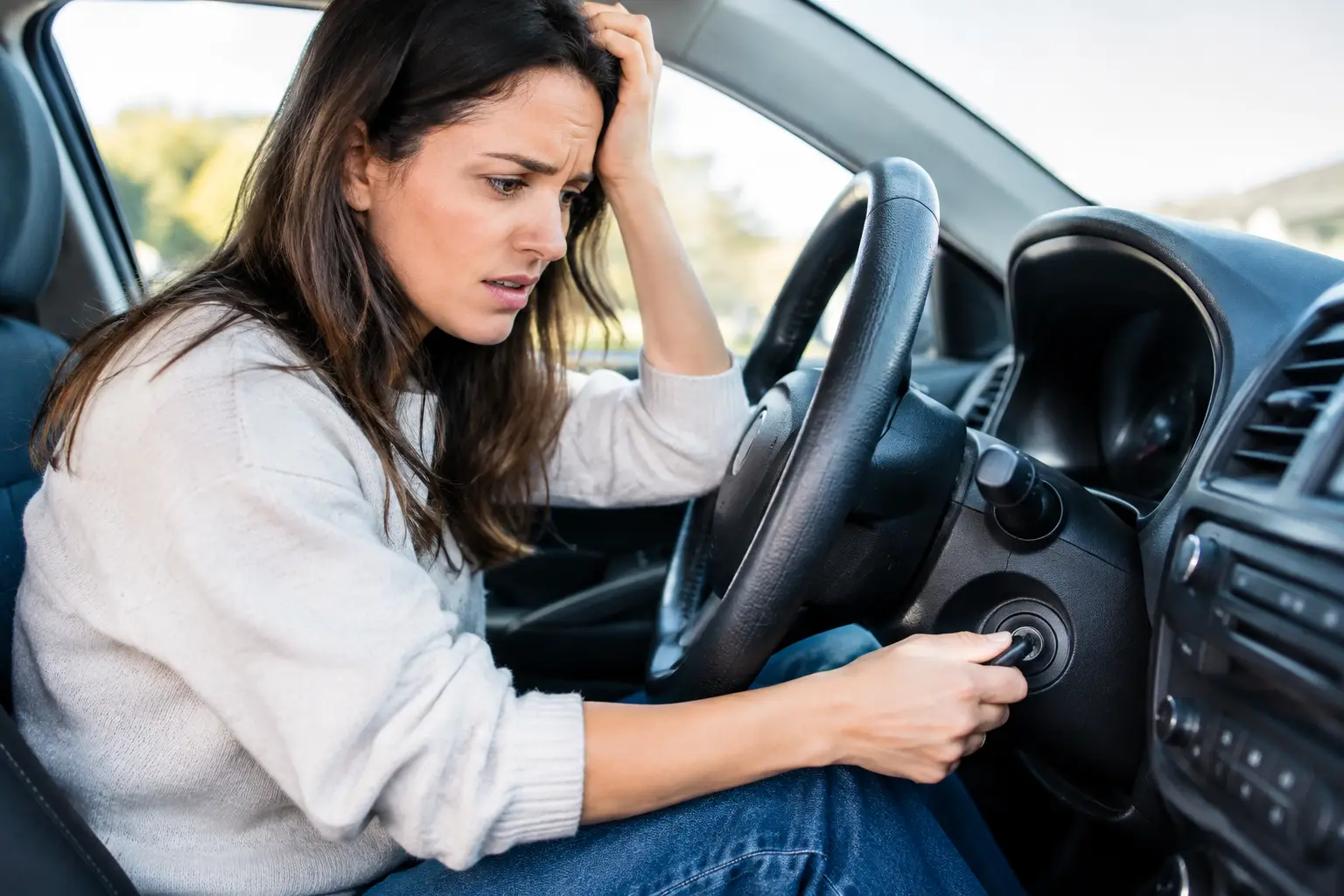
Your key turns halfway, catches, then refuses to move. You are parked outside work, on the school run or ready to start a shift, and suddenly the car will not cooperate. The best signs your ignition needs repair are often easy to miss at first, but acting early can prevent a worn ignition from leaving you completely stranded.

An ignition problem is not always a dead battery or a faulty starter motor. The ignition lock barrel, the key itself and the vehicle’s immobiliser system all have to work together before the engine can start. When one part begins to wear or fail, the symptoms can feel intermittent – until the day the key will not turn at all.

9 best signs your ignition needs repair

1. The key is difficult to turn

A key that needs jiggling, wiggling or repeated attempts before it turns is one of the clearest warnings. Inside the ignition barrel are small moving components that read the cuts on your key. Over time, those parts can wear down, stick or stop lining up correctly.

Cold weather can make an already worn ignition feel worse, but a recurring stiff key is not something to put down to the temperature. Do not force it. Too much pressure can snap the key blade in the barrel, turning a repair into a more urgent recovery job.

2. The key will not turn back to the off position

If you can start the vehicle but struggle to return the key to the off position or remove it afterwards, the ignition barrel may be binding. In many vehicles, the steering lock position also affects key removal. Try gently moving the steering wheel side to side while applying light pressure to the key.

If that only works occasionally, arrange for the ignition to be checked. A key trapped in the ignition can drain the battery, leave the vehicle insecure and stop you using it when you need it most.

3. The engine does not start, even though the key turns

When the key rotates normally but nothing happens at the start position, the issue may be within the ignition switch or its electrical connection. You may see dashboard lights come on but get no crank from the engine. On another attempt, it may start as if nothing was wrong.

This can look similar to a battery, starter motor or wiring fault, so it needs proper diagnosis rather than guesswork. The useful detail is whether the problem happens specifically when you turn the key, and whether the dashboard behaves differently at the same time.

4. Dashboard warning lights flicker or fail to appear

Turning the key to the ignition position should bring up the usual warning lights before starting. If those lights flicker, disappear unexpectedly or fail to come on when the key is in the correct position, the electrical section of the ignition may not be making a reliable connection.

Take note of what happens each time. Does the radio cut out? Do the lights return if you move the key slightly? These details help identify whether the trouble lies with the ignition rather than elsewhere in the vehicle.

5. The key only works in one exact position

Needing to hold the key at a particular angle to get the electrics or engine to respond is a strong sign of wear. A healthy ignition should work smoothly through its normal positions. It should not require a special technique you have learnt through trial and error.

This fault often gets gradually worse. What starts as a minor annoyance can become a key that turns freely without engaging the ignition, or one that will not rotate at all.

6. Your key looks worn, bent or damaged

The ignition is not always the only culprit. A worn key blade can stop matching the internal components of the barrel accurately, particularly if it is an old copy that has been duplicated several times. Look for rounded edges, visible wear, bends, cracks or a blade that feels loose in its fob.

A damaged key can also place extra strain on a perfectly serviceable ignition. It is worth having the key assessed before assuming the entire barrel has failed. In some cases, a correctly cut replacement key resolves the issue. In others, the worn key has already contributed to barrel damage and both need attention.

7. The steering lock sticks with the ignition

A locked steering wheel is often normal, especially when the wheels are turned after parking. Usually, gentle pressure on the steering wheel while turning the key will release it. The concern is when this becomes frequent, severe or impossible to release without force.

The steering lock and ignition barrel are closely linked on many cars. A sticking mechanism can signal internal wear and should not be ignored, particularly if you are relying on increasing force to free it.

8. The key comes out while the engine is running

If the key can be removed from the ignition when the engine is still running, stop treating it as a quirk. The barrel may be badly worn or damaged and is no longer holding the key correctly. This can create security concerns and may mean the ignition positions are no longer engaging as they should.

Avoid driving further than necessary. A fault at this stage can change quickly, leaving you unable to switch the vehicle off properly or restart it after stopping.

9. You hear unusual clicks or feel grinding in the barrel

The ignition should feel controlled and smooth. Clicking, grinding, rough movement or a sensation that something is catching inside points to a mechanical issue. Spraying random lubricants into the barrel is not a reliable fix and can attract dirt or interfere with the delicate internal parts.

If the key is sticking, use only light pressure and get specialist help. A mobile auto locksmith can inspect the key and ignition mechanism on site, without the added hassle of arranging a tow for a vehicle that cannot be started.

When an ignition fault may be something else

Not every no-start is an ignition repair. A flat battery may leave the dashboard dim or completely dead. A failing starter motor may produce a single click when you turn the key. An immobiliser problem can allow the engine to crank but prevent it from starting or cause it to cut out shortly afterwards.

Modern vehicles can also have faults in the remote, transponder chip or key programming. If you have a spare key, trying it can offer a useful clue. If the spare works normally, the original key may be damaged or no longer communicating properly with the car. Do not keep repeatedly trying a key that is binding, though. That is how a difficult ignition can become a broken key in the barrel.

What to do when your ignition starts playing up

First, stay calm and avoid forcing the key. Check whether the steering wheel is under pressure and gently move it while turning the key. If you have a spare key, use it once to compare the result. Make a note of whether the key turns, whether the dashboard lights appear and whether the engine cranks.

If the key is stuck, bent, broken, or the ignition will not turn, stop there. Continued attempts can damage the barrel further. A qualified auto locksmith can identify whether the answer is key repair or replacement, ignition lock barrel repair, or a separate immobiliser-related issue.

For drivers across the West Midlands and Warwickshire, Car Key Maker provides practical mobile help at the vehicle. That means the problem can be assessed where you are, whether the car is at home, at work or stuck in a car park.

A small warning is worth acting on

Ignition faults rarely choose a convenient time to become serious. If your key has started sticking, the barrel feels rough or starting has become unpredictable, deal with it while the vehicle can still be moved. Early action protects the key, avoids unnecessary stress and gives you the best chance of getting back on the road without disruption.

Can Locksmiths Delete Old Keys From Your Car?

A missing car key is not always just an inconvenience. If it has been stolen, taken by someone you do not trust, or lost near your home or workplace, the real question is: can locksmiths delete old keys so they no longer start the car?

In most modern vehicles, yes. A qualified auto locksmith can usually remove an old key or remote from the car’s authorised key list, then programme working or replacement keys back in. That means the missing key may still physically fit the lock in some cases, but its electronic chip will no longer be recognised by the immobiliser. Without that recognition, the engine should not start.

That distinction matters. Replacing a key gets you moving again. Deleting the missing key helps restore control over who can drive your vehicle.

Can locksmiths delete old keys from every vehicle?

It depends on the vehicle’s make, model, year and security system. Most cars built over the last two decades use a transponder chip, remote fob or proximity key linked to the immobiliser. These systems store a number of approved keys in the vehicle’s memory. An auto locksmith with the correct diagnostic equipment can access that system, clear old key data where the vehicle allows it, and programme the keys you still have or new replacements.

The work is common after a key has been stolen, when a vehicle is bought with only one key, or when a previous owner, employee or family member may still have access. It is also sensible if you have lost a key somewhere that could identify your car, such as outside your house, on a work site or with documents containing your registration details.

Very old vehicles are different. If a car has no immobiliser chip or electronic key programming, there may be nothing stored digitally to delete. In that situation, security may require a lock change, ignition barrel repair or replacement, depending on how the vehicle is set up.

Some newer models add another layer of complexity. Keyless entry and start systems, smart keys and certain premium vehicles can have manufacturer-specific procedures. The right approach is still available in many cases, but the locksmith needs to identify the system before promising the exact solution.

What deleting an old key actually does

When people say they want a key deleted, they usually mean they want it stopped from starting the vehicle. The locksmith connects specialist equipment to the car and works with its immobiliser or body control system. The authorised keys are then checked, removed or reset as appropriate, and the keys that should remain in use are programmed back to the car.

Once completed, an erased key normally cannot communicate with the vehicle’s immobiliser. It may turn in the ignition on older-style systems, but the vehicle will not start because the security chip is no longer approved. With remote or keyless keys, the buttons and proximity function should also stop working once that remote has been removed from the system.

There is one important trade-off: deleting keys often means every key must be programmed again. If you own two working keys, have both available when the locksmith attends. If you only have one, it can be retained and programmed alongside a new spare. If all keys are missing, new keys can often be created on site, then the vehicle can be set up so only those replacements are authorised.

When key deletion is the sensible option

Not every lost key needs deleting. If you dropped a spare somewhere with no link to the vehicle and quickly recovered it, a replacement may be all you need. But there are situations where treating the old key as a security risk is the sensible call.

A stolen key is the clearest example. The person holding it may know which vehicle it belongs to, or have access to your address, workplace or parking location. Deleting it from the system removes their straightforward route to starting the car.

The same applies after a bag, wallet or set of house keys goes missing alongside the car key. The combination of personal details and a vehicle key creates a much bigger concern than a key lost on its own.

Businesses should also consider deletion when a driver leaves, particularly where a van, fleet car or trade vehicle is regularly left with equipment inside. Handing a vehicle to a new employee with no certainty over how many keys are still in circulation is an avoidable risk.

If you have bought a used vehicle with a single key, you cannot always know whether another programmed key exists. A second working key is useful for day-to-day reliability, while removing unknown keys gives you a clearer security position.

Deleting the key does not always change the locks

This is where many drivers understandably get confused. Electronic key deletion and mechanical lock changes solve related but different problems.

Deleting a key stops its transponder, remote or smart-key functions from being accepted by the vehicle. It is often the fastest way to prevent it from starting the engine. However, the metal blade on an old conventional key may still be able to open the driver’s door if it matches the existing lock.

For many situations, preventing the vehicle from being driven is the priority. In a higher-risk situation, such as a known theft, a break-up with ongoing access concerns, or a key stolen together with your address, changing or repairing the locks may be recommended as well. The ignition barrel and door locks can be assessed so the vehicle is secure both electronically and mechanically.

With keyless cars, there may be no traditional blade used in daily driving, although many fobs contain an emergency blade. Again, the answer depends on the vehicle and what has happened to the key.

What a mobile auto locksmith will need

For security reasons, a legitimate locksmith will need proof that you own or are authorised to deal with the vehicle. This normally means identification and vehicle documents where available. If you are locked out or all documents are inside the vehicle, explain that when you call. A professional will guide you through what can be checked and what is needed before key programming begins.

It also helps to have the registration number, make, model and approximate year ready. Tell the locksmith whether you have any working keys, whether the missing key was lost or stolen, and whether the car uses an ignition key, remote fob or push-button start. These details help establish the likely process before attendance.

A mobile specialist can carry out many key deletion and programming jobs at your location. That avoids arranging recovery simply because the vehicle cannot be started, and it is especially useful when all keys are missing or a key has failed without warning.

Do not wait if the key was stolen

If a key has been stolen, act as though the vehicle could be targeted. Move it to a safer location if possible, keep any remaining keys secure, and avoid leaving paperwork with your address inside. If you have tracking or connected-car features, check that access is protected and change account passwords where relevant.

Then arrange for the missing key to be removed from the car’s memory. If there are signs of attempted theft, damage around the ignition or a problem with the door locks, mention this at the outset. The locksmith can assess whether the issue is limited to programming or whether lock and ignition work is needed too.

For drivers across the West Midlands and Warwickshire, Car Key Maker can attend for on-site key replacement, programming and security-focused key work when a missing key has left you unable to use your car with confidence.

A lost key does not have to leave a permanent question mark over your vehicle’s security. The sooner the old key is assessed and, where appropriate, deleted, the sooner you can use your car knowing that only the keys in your possession are authorised to start it.

7 Practical Ways to Prevent Car Lockouts

A car lockout rarely happens when you have time to spare. It is usually outside the house on a wet morning, at the petrol station, on a school run or halfway through a working day. The good news is that a few simple routines can prevent car lockouts before they leave you stranded beside your vehicle.

Modern cars make everyday driving easier, but keyless entry, dead fobs and automatic locking can create new ways to lose access. A spare key helps, but prevention is more than putting one in a drawer. It means knowing how your own vehicle behaves, noticing early signs of key trouble and having a sensible backup plan.

1. Make one place for your keys

Most lockouts start before you reach the car. Keys get left on a kitchen worktop, put in a coat pocket that is not being worn, or picked up alongside shopping bags and then set down somewhere unexpected.

Choose one visible place at home for all vehicle keys. A hook, bowl or tray near the door works well, provided it is not in easy reach of a letterbox or window. When you return home, put the key there straight away. When leaving, take the key before coats, bags and everything else.

This sounds basic, but routine beats memory when you are rushing. If two people share the vehicle, agree on the same place. A spare key cannot help if nobody knows where it was last seen.

2. Do not leave keys in the car while loading

It takes only seconds to put bags in the boot, strap in a child or return a trolley. That is also enough time for a vehicle to lock itself, particularly if the key is inside and a door or boot has been closed.

Keep the key on your person until you are in the driver’s seat. A zipped pocket, handbag compartment or belt pouch is safer than placing it on a seat, in a cup holder or on the boot floor while loading. For tradespeople, this matters even more when tools, materials and several vehicle doors are being opened and shut throughout the day.

Be especially careful with keyless cars. Some models will warn you that the fob is still inside, but a warning is not a guarantee. The vehicle may behave differently if the battery is weak, another fob is nearby or the boot is shut separately from the doors.

3. Learn your car’s locking behaviour

Automatic locking is useful until it catches you out. Some cars re-lock after a short period if no door is opened. Others can lock when the driver’s door is shut, while certain vans and older vehicles have their own quirks.

Take five minutes to check your handbook or test the locking behaviour safely at home with a window open and the key in hand. Find out whether the car locks itself after you unlock it, whether the boot can be opened independently, and how it responds when a keyless fob is left inside.

You should also know whether your physical emergency key can open the driver’s door. Many remote fobs have a concealed metal blade, but owners are often unaware of it until the remote battery fails. Knowing where the release catch is and how the blade works can save a stressful wait later.

4. Replace weak key fob batteries early

A remote key does not normally stop working without warning. You may notice that you need to stand closer to the car, press the button more than once or aim the fob directly at the vehicle. Keyless entry may become inconsistent, or the dashboard may show a low key battery message.

Do not ignore these signs. Replace the battery with the correct type before it fails completely, and check that the fob works afterwards. If you are unsure how to open it without damaging the case, get advice first. Forcing a fob apart can crack the casing, damage the buttons or dislodge small internal parts.

A new battery will not fix every fault. If the remote remains unreliable, the problem could be worn buttons, damaged circuit boards, water ingress or an issue with the vehicle rather than the fob. Dealing with it early is far easier than finding out the key will not communicate with the car when you are away from home.

5. Keep a spare key, but store it properly

A working spare key is one of the best protections against a lockout, provided it is accessible when you need it. Keeping both keys in the same bag, drawer or glovebox defeats the point. If they are lost or locked inside together, you have no backup.

Store the spare securely at home, ideally with someone you trust having access if you are often away. For a family car, make sure the other driver knows where it is and can recognise it. For a business vehicle, set a clear process for who holds the spare and when it is returned.

Avoid hiding a key on or underneath the vehicle. Apart from the security risk, dirt, moisture and road grime can damage it, and a thief knows the usual hiding places. A hidden key is not a reliable spare key.

It is also worth checking the spare occasionally. A key that has sat untouched for years may have a flat battery, worn blade or remote fault. Test both locking and starting functions, particularly before a long journey or holiday.

6. Treat a sticking key or ignition as an early warning

A key that feels rough in the door, sticks in the ignition or needs wiggling to turn is asking for attention. It may be a worn key blade, a tired lock barrel, dirt in the mechanism or damage developing inside the ignition.

Do not keep forcing it. A snapped key blade or seized ignition can leave you unable to secure the car, get into it or start it. Avoid using excessive pressure, pliers or lubricants that are not intended for vehicle locks. Those quick fixes can push debris deeper into the lock or cause further damage.

If your key has bent, cracked, split at the head or lost part of its blade, arrange a replacement before it becomes an emergency. The same applies if a key only starts the vehicle after several attempts. That is not normal wear to put off indefinitely.

7. Build a lockout check into your day

The most effective way to prevent car lockouts is a short check before every door closes. It should become automatic: key in pocket, key in hand or key safely in the ignition. Never rely on the thought that you probably put it somewhere safe.

For parents, make the check after unloading children and before closing the final door. For delivery drivers and tradespeople, check before shutting the side door or boot. For anyone with a keyless car, physically touch the fob in your pocket before closing up. That small action takes a second and prevents a great deal of disruption.

If you have recently changed bags, coats or routines, be more deliberate for a few days. Lockouts often happen during these small changes, not because the driver is careless, but because their usual habit has been interrupted.

When prevention is not enough

Even careful drivers can be locked out. A fob can fail without warning, a key can break, a child can press the central locking button, or the car can develop an electrical fault. If it happens, do not try to force a door, bend the frame or break a window. Modern vehicles can be damaged quickly, and attempted entry can affect locks, weather seals, wiring and alarms.

Stay somewhere safe, check whether a spare key can realistically be brought to you, and use a qualified auto locksmith who can assess the vehicle properly. A mobile specialist can help gain entry without unnecessary damage and deal with a failed key or lock if that is the underlying issue. Car Key Maker provides on-site help across the West Midlands and Warwickshire when a lockout cannot wait.

The best habit is simple: before the final door shuts, know exactly where your key is. It is a small pause that keeps a routine journey from turning into a long, frustrating delay.

Replacement Car Keys Near Me When You Need Help

Your key has gone missing, snapped in the lock or suddenly stopped starting the car. Searching for replacement car keys near me is usually something people do from a car park, driveway or roadside when they need a proper solution quickly – not a vague promise or a trip to a main dealer.

The good news is that many key problems can be dealt with where the vehicle is sitting. A mobile auto locksmith can attend, identify the fault and make, programme or repair the key on-site where possible. That means less disruption to work, school runs, appointments and everything else your vehicle needs to do.

When do you need replacement car keys?

A lost key is the obvious reason, but it is far from the only one. Modern vehicle keys contain electronics as well as a blade. If any part of that system fails, the car may not unlock, may refuse to start or may start intermittently before leaving you stranded.

You may need a replacement if your only key has been lost or stolen, if the buttons on a remote have stopped responding, or if the blade is badly worn. A key that needs wiggling in the ignition, only works after several attempts or has visible cracks in the casing is worth dealing with before it becomes an emergency.

Sometimes the key is not the underlying problem. A damaged ignition barrel can make a perfectly good key feel as though it is failing. Equally, a vehicle immobiliser issue can prevent starting even when the remote still unlocks the doors. A proper diagnosis matters because replacing a key alone will not repair a worn ignition or a fault in the vehicle’s locking system.

Replacement car keys near me without the dealership delay

A dealership may be an option in some circumstances, particularly for specialist manufacturer work. However, it can also mean arranging recovery, finding transport and waiting for the vehicle to be seen. When the car cannot move, that is rarely convenient.

A mobile specialist comes to the vehicle instead. For drivers across the West Midlands and Warwickshire, this can make the difference between a lost day and getting back on the road promptly. The vehicle remains in place while the locksmith assesses the key, lock and immobiliser system.

The work may involve cutting a new blade, programming a remote or transponder key, repairing a damaged remote case, extracting a broken key, or resolving an ignition barrel issue. The exact route depends on the vehicle’s make, model, year and the type of key it uses. Older cars may use a straightforward mechanical key, while newer models often need specialist diagnostic equipment and programming knowledge.

What happens if all keys are lost?

Losing your last working key feels like a major problem because there is nothing left to copy. It is still a situation an experienced auto locksmith can often resolve at the vehicle.

The first job is to confirm ownership and identify the vehicle correctly. From there, the locksmith can establish what type of key is required and whether the car needs a transponder, remote or proximity key. New keys can then be cut and programmed to communicate with the vehicle.

This is not just about making something that turns in the door. On many vehicles, the electronic chip is what allows the engine to start. If it is not programmed correctly, the key may open the vehicle but the immobiliser will prevent it from running.

If the missing key has been stolen rather than simply misplaced, say so from the start. In that situation, deleting old keys from the vehicle’s memory may be appropriate. It reduces the chance that someone holding the old key can return, unlock the car and drive it away.

A broken or faulty key should not be ignored

Keys often give warnings before they fail completely. The remote range may become poor, the buttons may work only when pressed hard, or the key blade may catch in the door or ignition. It is tempting to keep using it until it finally stops, but that can turn a simple job into a lockout or a broken blade stuck in the barrel.

A failing remote may be caused by a depleted battery, damaged button contacts, water damage or a fault on the circuit board. Some remotes can be repaired, while others need replacing and programming. The right answer depends on the condition of the key, not a one-size-fits-all fix.

Be especially careful with folding flip keys. If the hinge is loose or the blade is moving in the casing, avoid forcing it. A snapped blade in an ignition or door lock needs careful extraction to avoid further damage to the lock.

Give the locksmith the right information

A quick, accurate description helps the right equipment and key stock reach you first time. When you call, have the vehicle registration, make, model and approximate year ready if possible. Explain whether the key is lost, locked inside, damaged, stolen or simply not being recognised by the car.

It also helps to say where the vehicle is and whether it is safe and accessible. A car on a private drive is different from one in a multi-storey car park, at work, or on the roadside. If you still have a spare key, mention that too. It may help confirm whether the problem is with one key or with the vehicle itself.

You should expect to provide proof that the vehicle belongs to you or that you are authorised to have a key made. That protects vehicle owners and is a normal part of professional locksmith work.

Do not make the problem worse

When a key will not turn, forcing it is one of the fastest ways to create a bigger repair. Avoid pliers, screwdrivers and improvised attempts to turn the ignition. They can damage the key, shear a blade or harm the lock barrel.

The same applies to locked-out vehicles. Trying to prise a door open can damage seals, trim and window mechanisms. A professional uses suitable entry methods designed to gain access with minimal disruption, then deals with the cause of the lockout.

If your key has gone through the wash, do not assume it is fine because the blade looks unchanged. Drying it externally does not guarantee the internal electronics are safe. Keep it separate from other items and arrange a check if the remote begins behaving differently.

Spare keys are practical, not excessive

Once you have a working replacement, consider getting a spare before you need one. It is particularly useful for households sharing a vehicle, parents with young drivers, tradespeople carrying tools, and businesses relying on vans or company cars.

Keep the spare somewhere secure and separate from the vehicle, not in the glovebox or hidden inside the car. A spare is also useful for testing. If one key starts acting up but the other works normally, it points towards a key fault rather than an ignition or immobiliser issue.

Car Key Maker deals with lost, damaged and non-working keys as a mobile service, so you are not left trying to organise recovery before anyone can inspect the problem. Clear information, the right tools and an on-site diagnosis are what get most drivers moving again.

If your key is showing signs of wear, your remote is unreliable or you only have one working key, deal with it while you still have options. A small warning today is much easier to manage than being stuck somewhere tomorrow.

Guide to Keyless Entry Faults in Your Car

Your key fob worked perfectly yesterday. This morning, it will not open the doors, the car says key not detected, or the buttons only work when you are standing right beside it. This guide to keyless entry faults explains what may have gone wrong, what you can safely check yourself and when it is time to call a specialist.

Keyless entry problems are frustrating because the fault is not always in the key. A weak vehicle battery, damaged door-lock mechanism, radio interference or an immobiliser issue can all look like a failed remote. The quickest way forward is to narrow down the symptoms rather than repeatedly pressing buttons and hoping for a response.

What counts as a keyless entry fault?

Most modern cars use a remote fob, a proximity key or both. Pressing a button sends a coded radio signal to the vehicle. With passive entry systems, the car senses the fob when it is close to a door handle or inside the cabin. The same fob may also communicate with the immobiliser, allowing the engine to start.

A fault can affect one part of that system or all of it. Your remote may stop operating the central locking but still start the car. The doors may respond to the fob, but the dashboard may show a key warning and refuse to start. Or one door may stay locked while the others operate normally.

Those differences matter. They help identify whether the issue is likely to be the fob, the car battery, a single lock, the receiver or the vehicle’s security system.

The most common causes of keyless entry faults

A flat or weak key fob battery

This is the first thing to consider, particularly if the remote range has gradually reduced. You may need to stand closer to the car than usual, press the button more than once or find that the fob works only intermittently.

A fob battery is a simple fix in many cases, but fitting a new one does not guarantee the problem has been solved. A poor battery connection, moisture inside the fob or a cracked circuit board can create exactly the same symptoms. If the new battery makes no difference, do not force the case closed or keep swapping batteries. The fob may need testing and repair.

Physical damage, wear or water ingress

Car keys take plenty of abuse. They get dropped on drives, crushed in pockets, left in damp coats and knocked against tools or other keys. The damage may not be obvious from the outside.

Buttons can wear through, solder joints can break and the internal transponder chip can become damaged. If the key has been through a wash, exposed to heavy rain or dropped hard, treat it as a likely cause even if it still looks intact. Opening a modern fob without the correct tools can also break the casing or damage internal components.

A weak or flat vehicle battery

If the vehicle battery is low, central locking may become slow, unreliable or stop responding altogether. Other signs often appear at the same time: dim interior lights, a sluggish starter motor, warning messages or electrical functions behaving oddly.

This is especially common after the car has been parked for several days, during colder weather or where the battery is nearing the end of its service life. The key fob may be sending a signal correctly, but the car may not have enough power to respond as it should.

A faulty door lock or central locking actuator

When one door will not respond but the rest of the car does, the fob is less likely to be the problem. The fault may sit within that door’s lock mechanism, wiring or actuator.

You might hear a faint click from the affected door without any movement. In some cases, the lock may work from the interior switch but not from the remote, or the reverse may be true. A sticking lock can turn into a full lockout if it is ignored, so it is worth arranging a proper inspection before the door becomes impossible to secure or open.

Radio interference or poor signal reception

Keyless systems use radio frequencies, and strong nearby signals can occasionally interfere with them. This tends to happen in a particular location rather than everywhere – for example, near certain commercial buildings, equipment or busy car parks.

Try moving the vehicle if possible, or use the emergency mechanical key blade to gain access. If the remote works normally once you are elsewhere, interference is a possibility. If it fails in several places, the problem is more likely to be the fob or vehicle.

Lost synchronisation or a programming issue

Some keys can lose synchronisation following a flat battery, electrical work, a damaged fob or an attempted repair. The car may no longer recognise the remote functions, even though the key physically appears fine.

Programming faults require the correct diagnostic equipment and the right procedure for the make and model. Guesswork here can make matters worse, particularly where the key is linked to the immobiliser. A professional auto locksmith can test the key, read relevant fault information and establish whether it needs repair, reprogramming or replacement.

Immobiliser, antenna or control module faults

If the car opens but will not start, the issue may be beyond the remote buttons. The vehicle may not be detecting the transponder inside the key, or there may be a fault with the antenna that reads it, a wiring issue or a security control module problem.

Typical signs include a flashing key or immobiliser warning light, a message saying that no key is detected, or an engine that turns over but will not start. These faults need a methodical diagnosis. Repeatedly trying to start the vehicle is unlikely to help and can drain the battery further.

Safe checks before you call for help

A few basic observations can save time and give the locksmith a much clearer picture of the fault. Do not dismantle the steering column, door trim or dashboard, and do not attempt internet programming methods that are not specific to your car.

Before arranging assistance, check whether you have a spare key and whether it works. Note whether the fault affects access, starting or both. Look for dashboard warnings, listen for any response from the door locks and consider whether the vehicle battery has shown signs of weakness.

If you have recently changed the fob battery, make sure it is the correct type and fitted the right way round. Avoid touching the battery surfaces more than necessary, and check that the battery contacts have not been bent. If the fob case is cracked, wet or loose, stop using it until it can be assessed.

When a spare key changes the diagnosis

A working spare is one of the most useful clues. If the spare key operates the doors and starts the car, the vehicle is probably receiving signals correctly. That points towards damage, battery failure or a programming problem with the main fob.

If neither key works, the fault is more likely to involve the car itself, such as its battery, receiver, door locking system or immobiliser equipment. There are exceptions, of course. Two keys stored together can both suffer damage, and an old spare may have a flat battery of its own. But as a general rule, testing both keys quickly narrows the options.

What to do if the keyless entry fault leaves you stranded

First, stay with the vehicle in a safe place if you can. If you are unable to access the car, check whether your fob has an emergency key blade hidden inside it. Many proximity keys do, although the mechanical lock is sometimes concealed behind a cover on the door handle.

Use the blade carefully and avoid forcing the lock. An alarm sounding after manual entry can be normal on some vehicles until the key is recognised or the engine is started. If the car will not recognise the key, do not keep attempting to force entry or start it.

For drivers across the West Midlands and Warwickshire, a mobile auto locksmith can come to the vehicle, test the key and vehicle systems on site, and deal with many remote, key programming and access problems without the need to recover the car. Car Key Maker focuses on finding the actual fault first, whether that is a failed fob, an all-keys-lost situation or a deeper issue affecting the ignition or immobiliser.

Preventing the next keyless entry problem

You cannot prevent every electronic fault, but a little care makes key failure less likely. Keep keys away from water and heavy impact, replace a weakening fob battery before it dies completely, and avoid carrying the fob loose with coins, tools or other hard objects. If a button becomes intermittent or the range drops suddenly, have it checked early rather than waiting for a complete failure.

Most importantly, keep a working spare key in a safe place away from the vehicle. It is a small precaution that can turn a stressful roadside problem into a straightforward repair. When your keyless entry starts behaving differently, act while the car is still accessible – fast attention is usually far easier than dealing with a vehicle that will not open or start at all.

Lost Car Keys: What to Do When You Need to Drive

You have checked every pocket, the kitchen worktop and the place by the front door. The car is still on the drive, but you cannot move it. If you are searching for lost car keys what to do, start by slowing the situation down. A lost key is frustrating, especially when you need to get to work, collect the children or keep a job moving, but there is a clear route back on the road.

The right next step depends on whether the key is genuinely missing, locked inside the vehicle, stolen, or simply no longer working. Acting quickly and giving the right information to a specialist will save time and help keep your vehicle secure.

Lost car keys: what to do first

Before arranging a replacement, carry out one focused search. Check the obvious places first: bags, coat pockets, recent shopping, the car itself and the route between the vehicle and your door. If you were out recently, ring the last place you visited. Keys are often handed in at a reception desk, shop counter or pub bar.

Keep the search brief if you need the vehicle urgently. Repeatedly retracing the same steps can turn a straightforward key replacement into a wasted morning. If you cannot find the key after a sensible check, assume it may not be coming back and arrange professional help.

Do not try to force the car open, prise a window or use improvised tools in the door. Modern vehicles have delicate lock mechanisms, weather seals, airbags and electronic security systems around the door area. Damage caused while trying to gain entry can create a much bigger repair than the original key problem.

If you have a spare key, use it carefully. It gets you mobile, but it does not remove the security concern if the missing key was lost near your home, workplace or vehicle. Keep the spare somewhere safe while you decide whether the lost key should be removed from the car’s memory.

Work out which situation you are dealing with

Not every missing key needs the same solution. Being clear about what has happened helps an auto locksmith arrive prepared and deal with the issue properly on site.

All keys are lost

If you have no working key at all, the vehicle may need a new key cut and programmed from scratch. For many makes and models, a mobile auto locksmith can create a replacement at your location, programme it to communicate with the vehicle and check that it starts the engine.

You will normally need proof that the vehicle belongs to you, such as your driving licence and vehicle documents. This protects you, your vehicle and everyone else who relies on legitimate locksmith services.

The key is locked inside the car

A key visible on the seat is different from a key lost somewhere outside. The priority is non-destructive entry. A trained locksmith can use the correct methods for the vehicle rather than damaging a lock, window or door frame in a rush.

Once access is restored, test the key before closing the door. Some lockouts happen because a weak remote, faulty button or intermittent central locking issue has caused the car to lock unexpectedly.

The key may have been stolen

Treat a stolen key as a vehicle security issue, not just a replacement job. If a bag, wallet or documents were taken with the key, the person who has it may know where the vehicle is kept.

Move the vehicle to a secure place if you safely can. Report theft to the police where appropriate, and speak to your insurer if your policy requires it. A specialist can often programme replacement keys and delete the missing key from the vehicle system, so it can no longer start the car. Depending on the vehicle and risk, lock changes may also be sensible.

You have the key, but the car will not start

A key can look fine but fail electronically. Common signs include a remote that no longer unlocks the car, a warning light on the dashboard, an engine that turns over but will not start, or a key blade that has become loose or damaged.

Changing the remote battery may help if only the buttons have stopped working, but it will not fix every fault. The transponder chip that communicates with the immobiliser is separate on many keys. Avoid assuming the battery is the answer if the vehicle still will not recognise the key.

Why a car key is more than a cut piece of metal

Older vehicle keys were often straightforward mechanical keys. Most modern car keys combine a cut blade or keyless system with electronics that identify the correct key to the car. That is why copying a blade alone may unlock the door but still fail to start the engine.

A proper replacement needs to match the vehicle in several ways. The key must physically operate the lock where applicable, the transponder must be programmed correctly, and the remote functions need to work if your vehicle uses them. Keyless entry and start systems can involve additional procedures.

This is also why ordering a generic key online can be a gamble. It may be the wrong frequency, the wrong blade profile, poorly made, or impossible to programme without specialist equipment. It can be useful to have a blank assessed by a professional, but it is rarely a dependable answer when you are stranded.

What information to have ready

When you call for help, a few details make the process faster. Have the vehicle make, model, registration number and year ready if possible. Explain whether you have lost every key, have a spare, are locked out, or suspect theft.

It also helps to describe the key type. Is it a traditional key with buttons, a flip key, a proximity fob, or a key card? Tell the locksmith whether the vehicle is at home, at work, in a car park or at the roadside, and whether it is in a safe accessible position.

If the ignition is stiff, the blade has snapped, or the remote has been unreliable for a while, say so at the start. These details can point to an ignition barrel or key wear issue rather than a simple lost-key problem.

When the ignition or lock is part of the problem

Sometimes keys go missing because they have been difficult to use for months. A worn key may need jiggling in the ignition, turn only after several attempts, or catch in the door lock. Continuing to force it can damage the ignition barrel or snap the blade.

If your key breaks in the ignition or door, do not push the broken section further in with another tool. Keep any pieces you can retrieve safely and arrange assistance. In many cases, the lock or ignition can be repaired and a replacement key made to suit, avoiding unnecessary disruption.

A vehicle that does not recognise a key can also have an immobiliser-related fault. This needs diagnosis rather than guesswork. A professional should confirm whether the issue is with the key, remote, ignition, vehicle battery or security system before recommending the next repair.

Getting help at your location

The main benefit of using a mobile auto locksmith is that the work can be carried out where the car is. There is no need to arrange recovery simply because the keys are gone. For drivers across the West Midlands and Warwickshire, that can mean help at home, at work, outside a supermarket or wherever the vehicle has been left.

Car Key Maker handles lost keys, lockouts, damaged remotes, broken key blades and ignition issues on site. The focus is straightforward: identify the fault, restore access where needed, make and programme the right key, then check that the vehicle starts and the remote functions operate correctly.

After you are back on the road

Once the immediate problem is solved, take a minute to reduce the chance of it happening again. Keep a spare key in a secure place away from the vehicle, not hidden inside it. If more than one person drives the car, agree where the spare is stored and who has access to it.

A small key tracker may suit some drivers, but it is not a replacement for a spare, especially if the key is stolen or the tracker battery is flat. If your current key is cracked, loose, worn or unreliable, deal with it before it becomes an all-keys-lost emergency.

A missing car key can stop your whole day, but it does not have to leave you stranded for long. Protect the vehicle, avoid damaging DIY attempts, and get the right specialist involved early so you can return to the road with a key you can rely on.

Locked Keys in Car – What Are My Options Today?

You have shut the door, heard the locks engage and seen your keys sitting on the seat or in the boot. It is a frustrating moment, especially when you are heading to work, collecting children or parked somewhere unfamiliar. Locked keys in car – what are my options? The right answer depends on where you are, who is with you and whether there is any immediate risk, but forcing entry is rarely the solution.

Deal with immediate danger first

If a child, vulnerable person or animal is locked inside the vehicle, treat it as an emergency. Call 999 straight away if there is any risk from heat, cold, distress or a medical condition. Tell the operator your location, the vehicle details and why the person inside may be in danger.

Do not spend valuable time trying random methods while someone is at risk. Emergency services can decide the safest response. If you need to break a window to protect life, choose the window furthest from the person inside where possible, but only when there is no safer alternative and the situation genuinely requires it.

If nobody is trapped and the vehicle is secure, take a breath before acting. Check that you are somewhere safe, particularly if you are on a busy road, motorway hard shoulder or poorly lit area. Move away from traffic and call for professional help from a safe position.

Locked keys in car: what are my options?

For most drivers, there are four sensible routes: use a spare key, use an approved connected-car app if it was already set up, call a mobile auto locksmith or arrange recovery. The best choice is the one that gets you back into the vehicle without damaging the locks, glass, trim or electrical systems.

A spare key can be the quickest solution when it is genuinely close by. A family member may have one at home, or you may have left one with a trusted neighbour. Before asking someone to travel across town, consider their journey time and whether you will still be safely parked when they arrive.

Some newer vehicles can be opened through the manufacturer’s app or remote services. This only works if you registered the car, activated the service and have a working phone signal and account access. It is worth checking, but do not rely on it as your only plan. App services can be unavailable, subscriptions may have expired and not every model supports remote door opening.

For a straightforward lockout, a mobile auto locksmith is usually the most practical option. A qualified locksmith can travel to the vehicle, gain entry using suitable non-destructive methods and help you get moving again. If the key has been lost rather than simply left inside, they may also be able to produce and programme a replacement key on site.

Recovery can be useful when access is only one part of a bigger problem, such as a vehicle that will not start after entry is gained. However, a recovery provider may not always be equipped to open modern vehicles or deal with immobiliser and key programming faults. It can turn one problem into a longer wait for another specialist.

Why forcing the door is a bad idea

A coat hanger, screwdriver, wire or improvised wedge may look tempting when the keys are in sight. In reality, modern vehicles are not designed to be opened this way. The risks go well beyond a scratched door.

Forcing a gap around the frame can bend the door, damage the seal and create wind noise or water leaks that appear later. Prodding inside the door can catch wiring, side-impact components or locking mechanisms. Breaking a small window may seem faster, but leaves glass in the cabin and creates a security issue until it is repaired.

You can also make a simple lockout harder to resolve. Damaged locks, a bent frame or a failed central-locking mechanism may require additional repairs before the vehicle is secure again. Professional entry methods are designed to protect the vehicle while restoring access.

What a mobile auto locksmith can do at the roadside

A specialist does more than try a door handle. They identify the vehicle, assess the lockout and use the appropriate tools and technique for that make and model. The aim is to gain access without harming the vehicle, then check that the lock and central locking still operate as they should.

If your keys are visible inside, the job may be limited to non-destructive entry. If they are in the boot, the approach may differ depending on the vehicle and whether the boot release can be operated safely from inside the cabin. If the key has snapped, stopped communicating with the car or will not turn in the ignition, the locksmith can assess the underlying fault rather than treating it as a basic lockout.

Many modern keys contain transponders, remote electronics and immobiliser programming. A key can look intact but fail to start the car because its chip is damaged or no longer recognised. Car Key Maker provides mobile assistance across the West Midlands and Warwickshire for lockouts, replacement keys, remote issues and ignition lock barrel faults, so the right work can be completed where the vehicle is parked.

Be ready to prove the vehicle is yours

A reputable auto locksmith will need to confirm that you are authorised to access the vehicle. This protects you, the vehicle owner and the locksmith. Have photo identification available, along with your vehicle registration document, insurance details or another document that connects you to the car where possible.

Do not worry if every document is locked inside. Explain that when you call. There are often other ways to verify ownership, and the locksmith can tell you what will be needed before work starts. Clear information helps avoid delays once they arrive.

When making the call, give the registration, make, model, year if known and your exact location. Mention whether the keys are on a seat, in the boot, in the ignition or completely missing. Also explain if the vehicle has keyless entry, an alarm that may sound or a known fault with the lock. These details help the locksmith arrive prepared.

When the problem is more than keys left inside

Sometimes a lockout exposes another issue. The central locking may have failed and locked the car unexpectedly. A worn key blade may no longer turn the door lock. On keyless vehicles, a flat key-fob battery can prevent normal access even though the emergency blade is still available.

If you have lost your only key, do not assume a dealership visit and tow are your only options. A capable automotive locksmith can often create a new key, programme it to the vehicle and remove lost keys from the system when security is a concern. That matters if the keys were stolen or may have been dropped near the car.

A key that opens the door but will not start the vehicle could point to an immobiliser issue, a damaged transponder, a faulty remote or an ignition problem. Tell the locksmith exactly what happened before the failure. For example, whether the key was dropped, got wet, became difficult to turn or worked intermittently. Those details can save time and lead to the correct repair.

Reduce the chance of another lockout

Once you are back in the car, take a few simple precautions. Keep a properly working spare key somewhere secure, rather than hidden on the vehicle. Replace a weak key-fob battery before it leaves you relying on the emergency blade. If your key is cracked, worn or occasionally fails to respond, arrange a replacement before it becomes an urgent problem.

For drivers who share a vehicle, agree who holds the spare and where it is stored. Tradespeople and business vehicle users should be especially careful: a lockout can interrupt a full day of jobs, delay deliveries and leave valuable equipment inaccessible in the boot. A tested spare key is a small safeguard with a real practical benefit.

Being locked out is stressful, but it does not have to turn into vehicle damage or a long disruption. Stay safe, resist improvised entry methods and choose help that can deal with the vehicle in front of you, not just open a door.

Vehicle Lockout Help When You Need It Most

A vehicle lockout can turn an ordinary school run, commute or work call-out into a stressful stop. One moment the keys are on the seat, in the boot or missing altogether. The next, you are outside the vehicle with no safe way to get back in. The right response is not to force a door or break a window. It is to protect yourself, protect the vehicle and get a proper solution moving quickly.

For most drivers, a mobile auto locksmith is the practical answer. A specialist can come to your location, gain entry without unnecessary damage and assess whether the issue is simply access or part of a wider key, remote, immobiliser or ignition fault.

What to do first during a vehicle lockout

Start by checking the obvious without repeatedly pulling handles or pressing the remote. Check every door and the boot, particularly if you have central locking that may have behaved unexpectedly. If you have a spare key at home, consider whether someone can bring it to you. That can be useful when you are safely parked nearby, but it is rarely the best option if you are stranded far from home, on a busy road or need the vehicle urgently.

Your location matters. Move away from traffic if you can do so safely, keep visible in poor weather or darkness, and do not leave children or vulnerable passengers exposed to the cold. If a child, pet or person is locked inside the vehicle and is in distress or danger, call 999 immediately. A locksmith can assist with access, but an emergency service response is the priority where life or health could be at risk.

Once everyone is safe, take a moment to establish what happened. Were the keys visibly left inside? Has the remote stopped working? Did the key snap in the lock? Has the vehicle locked itself with the engine running? These details help a locksmith arrive prepared for the job.

Why forcing entry is rarely worth the risk

It is tempting to try coat hangers, wedges, screwdrivers or online tricks when you are locked out. Modern vehicles are not built like older cars, and improvised entry attempts often create a second problem. Door frames can bend, weather seals can tear, airbags and wiring can be affected, and locking mechanisms can be damaged behind the door skin.

Even when a DIY method appears to work, it can leave behind wind noise, water leaks, warning lights or a lock that no longer operates correctly. Some vehicles also deadlock, meaning an internal handle or simple reach-through method will not release the door. Others have laminated glass, protected mechanisms and electronic security systems that make forced entry a poor choice.

A professional vehicle lockout service uses specialist methods suited to the vehicle and the situation. The aim is controlled, non-destructive entry wherever possible, followed by checks to make sure the lock, remote and central locking still work as they should.

If the keys are locked in the boot

Keys in the boot can be more complicated than keys on a seat, especially when the boot release is electronic or the vehicle has deadlocking. Do not force the boot lid or attempt to pry around the number plate area. A mobile locksmith can assess the vehicle’s access points and open it using the correct approach, without turning a simple lockout into bodywork or electrical damage.

If the key is lost rather than locked inside

A lost key is not always a straightforward entry job. You may need the vehicle opened, a replacement key made and programmed, and the lost key removed from the vehicle’s memory where security is a concern. This is particularly relevant if you do not know where the key was lost or believe it may have been stolen.

The vehicle can often be dealt with on-site, saving the inconvenience of arranging recovery or waiting for a dealership appointment. Identification and proof that you are entitled to access the vehicle will be required. This protects you as well as the vehicle.

When a lockout points to a key or remote fault

Not every apparent lockout is caused by leaving keys inside. Sometimes the vehicle will not respond because the remote battery is flat, the key blade is worn, the remote buttons are damaged or the key has lost synchronisation. You may be able to unlock the door mechanically, but still be unable to start the vehicle.

A warning light, a message about the key not being detected, or an engine that turns over but will not start can point to an immobiliser-related issue. In other cases, a worn ignition lock barrel may make the key difficult to turn or trap it in the ignition. These faults require a proper diagnosis rather than repeated force on the key.

An experienced auto locksmith can look at the whole problem. That may mean getting you into the vehicle, testing the key and remote, cutting a replacement blade, repairing a remote, programming a new key or dealing with an ignition barrel fault. Handling the cause as well as the immediate lockout can prevent the same problem happening again at the next stop.

What a mobile auto locksmith needs from you

Clear information helps speed up the response. When you call, have the vehicle make, model, registration and approximate year ready if possible. Explain whether the keys are inside, lost, broken or not responding, and say where the vehicle is parked. A driveway, supermarket car park, roadside lay-by and workplace may each need a slightly different approach.

You will also need proof of ownership or authority to access the vehicle. This may be your driving licence, vehicle registration document, insurance details or other suitable identification. If those documents are inside the locked vehicle, say so when booking. A legitimate locksmith will explain what is needed and work with you sensibly, while keeping security at the centre of the job.

It also helps to mention any previous work or unusual symptoms. For example, tell the locksmith if the key has been sticking for weeks, the remote only works at close range, the car battery is weak, or the vehicle has recently had accident repairs. Small details can make diagnosis faster once access is gained.

Preventing the next vehicle lockout

You cannot prevent every problem, particularly when a key fails without warning. But a few habits reduce the chance of being stranded. Keep a spare key somewhere secure away from the vehicle, rather than hidden inside it. If your main key starts needing repeated button presses, feels loose, has a cracked case or becomes hard to turn, arrange for it to be checked before it fails completely.

Avoid keeping a heavy bundle of keys on the ignition key, as extra weight can contribute to wear over time. Protect electronic keys from water damage and do not ignore intermittent remote faults. A key that works only occasionally is giving you useful warning.

For families and businesses with several drivers, decide who holds the spare and make sure everyone knows how to reach them. Tradespeople who rely on a van for daily work should be especially alert to worn keys and failing remotes, because a lockout can stop the whole day.

Fast help where you are

Being locked out does not mean you need to tow the vehicle or wait around for a dealership solution. Car Key Maker provides mobile vehicle lockout assistance across the West Midlands, Warwickshire and nearby areas, bringing specialist equipment directly to the vehicle. The focus is simple: gain access carefully, identify any related key or lock issue, and help get you back on the road.

If your keys are inside, lost, broken or no longer recognised by the car, avoid making the situation worse with forced entry. Get somewhere safe, have your vehicle details ready, and arrange qualified help. A calm, professional response is often the quickest route from standing outside your car to carrying on with your day.

Can You Program a Car Key Without the Original?

Losing your only car key can stop your whole day in its tracks. The good news is that, in many cases, can you programme a car key without the original? Yes – a qualified auto locksmith can often create and programme a working replacement key even when every original has gone missing.

The exact method depends on the vehicle, its age, the type of key and the condition of its locks and electronics. This is not simply a case of cutting a new metal blade. Most modern vehicles need a key that is correctly cut, fitted with the right transponder chip or remote, and matched to the car’s immobiliser before the engine will start.

Can You Program a Car Key Without the Original?

For most cars, vans and many commercial vehicles, the answer is yes. An experienced automotive locksmith can produce a replacement from scratch using specialist diagnostic equipment, key-cutting machinery and vehicle-specific programming methods.

The original key is useful, but it is not always essential. When a working key is available, it can provide information that makes duplication quicker. Without it, the locksmith has to identify the correct key profile, access the vehicle’s key or immobiliser data where appropriate, cut a new blade or emergency key, then programme the replacement to communicate with the vehicle.

This is commonly known as an all-keys-lost job. It is a routine type of call-out for a properly equipped mobile auto locksmith, although some vehicles are more involved than others.

Older cars with a basic mechanical key can be straightforward. Cars with a transponder chip need the chip coded to the immobiliser. Remote and flip keys need both the starting function and the remote locking functions checked. Keyless entry and push-button start vehicles can require more advanced programming and, in some cases, additional security procedures.

What Has to Be Done When All Keys Are Lost?

A replacement only counts as a proper solution when it opens the car and starts it reliably. The work usually involves several stages, completed at your vehicle rather than requiring a trip to a dealership.

First, the locksmith confirms ownership and identifies the vehicle correctly. You should expect to provide photo identification and proof that you are entitled to have a key made. This protects you and helps prevent keys being supplied to the wrong person.

Next comes the physical key. Depending on the vehicle, this may involve decoding an existing door lock, using authorised key data, or removing and reading a lock component where necessary. The blade is then precision-cut to suit the vehicle. A key that turns poorly, sticks in the ignition or only works in one lock is not a job finished properly.

The electronic side is just as important. Modern keys contain a transponder, which sends a coded signal to the immobiliser. If that signal is missing or incorrect, the dashboard may light up but the engine will not start. A locksmith programmes the correct transponder or smart key to the vehicle, then tests the starting function, central locking and remote buttons where fitted.

On certain models, the process may also involve adding the new key through the vehicle’s diagnostic system. Some cars have security gateways or manufacturer-specific systems that require the right equipment, current knowledge and careful handling. Trying shortcuts can leave a car unable to start or trigger further faults.

The Type of Key Makes a Difference

Not all lost keys are alike. The vehicle may use a simple metal key, a chipped ignition key, a remote flip key, a proximity fob or a key card. Each has different parts and programming requirements.

A plain mechanical key mainly needs accurate cutting. It may get you into the car, but it will not start a vehicle fitted with an immobiliser unless the correctly programmed chip is present too. This catches out many drivers who assume a copied blade alone will solve the problem.

With a transponder key, the chip must be matched to the immobiliser. With remote keys, the buttons also need to operate the doors, boot and alarm as intended. With proximity keys, the vehicle must detect the fob inside the cabin before allowing the engine to start. These jobs need specialist tools and the correct key for the exact vehicle specification.

Even two cars of the same make and year may not take the same key. Trim level, engine variant, market specification and previous repairs can all affect the required part and procedure. That is why a reliable locksmith will ask for the registration, make, model, year and, where available, the vehicle identification number before attending.

When Programming Without the Original Can Be More Difficult

Most all-keys-lost situations can be resolved, but there are circumstances that can add time or require extra investigation. Water damage, an aftermarket alarm, a replacement engine control unit, a damaged ignition barrel or previous poor-quality key work can all complicate matters.

A vehicle with a worn or damaged lock may also need attention before a replacement key can be cut accurately. If the key has snapped in the ignition, the broken section needs removing safely. Forcing it out with unsuitable tools can damage the barrel and create a larger repair.

Some newer vehicles have stronger anti-theft protection, particularly keyless models. This is there for a good reason. A professional locksmith works through the correct process, verifies ownership and uses equipment designed for the vehicle rather than attempting a risky workaround.

Occasionally, the issue is not actually the key. A flat vehicle battery, failed remote battery, faulty aerial ring, damaged wiring or immobiliser fault can look like a programming problem. Proper testing matters because making a new key will not repair an electrical fault elsewhere in the car.

Why DIY Programming Often Goes Wrong

There are online guides and low-cost programming devices that promise a quick fix. They can be tempting when you are stranded, but modern vehicle security is not designed for trial and error.

The biggest problem is buying the wrong blank or remote. It may look identical but contain an incompatible chip, frequency or circuit board. Some used keys cannot be reused on another vehicle without specialist preparation, while others are locked to the car they came from.

There is also a risk of corrupting key data or putting the vehicle into a state where it will not recognise any key. A remote may appear to programme successfully yet still fail to start the engine. Conversely, a transponder may start the car but leave the locking buttons inoperative. These are separate functions on many vehicles.

If you have a working spare, keep it safe and have it checked before it becomes your only option. If all keys are already lost, calling a mobile specialist is generally the safest route to getting the vehicle back in use without unnecessary disruption.

Should Old Keys Be Deleted After a Key Is Lost or Stolen?

If a key has been stolen, deleting it from the vehicle is often just as important as making a new one. Cutting and programming a replacement gets you moving again, but the missing key may still be recognised by the immobiliser or remote system if it is not removed from the car’s memory.

A locksmith can assess whether old keys can be erased and ensure the keys you still hold are the only ones authorised to start the vehicle. Where there is a concern that someone knows where the car is kept, lock or ignition work may also be worth discussing. The right response depends on the vehicle and the circumstances, not a one-size-fits-all answer.

What to Have Ready for a Mobile Locksmith

To avoid delay, have your vehicle registration, make, model, approximate year and location ready when you call. Let the locksmith know whether every key is lost, one key is broken, the key is locked inside, or the car is showing an immobiliser warning. If you have the vehicle identification number or documents available, that can also help confirm the correct replacement.

Car Key Maker provides mobile vehicle key help across the West Midlands and Warwickshire, bringing the equipment needed to cut, programme and test replacement keys at the roadside, at home or at work. The aim is simple: deal with the actual fault and get you back to using your vehicle properly.

If your only key has disappeared, do not keep forcing the locks or repeatedly trying a damaged fob. Keep the vehicle secure, gather your proof of ownership and get specialist help. A missing original key does not automatically mean a long wait or a dealership visit.

CALL AUTO LOCKSMITH NOW 0330 818 2377