
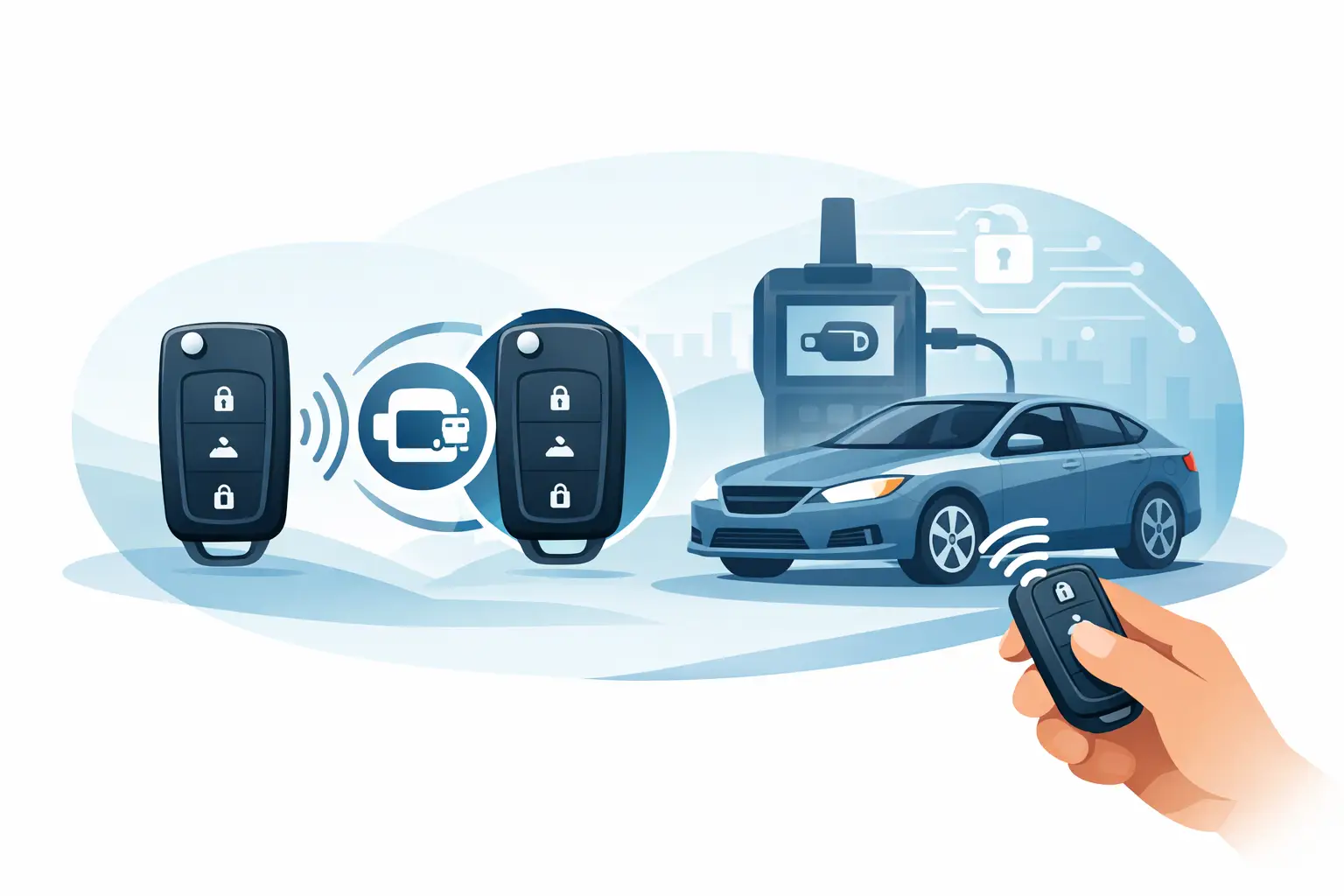
A spare car key can feel like a small job – until the original is worn, the remote stops responding, or the vehicle will not start. Vehicle key cloning explained simply means copying the electronic identity stored in an existing working key or transponder and placing that information onto a compatible new key. It can be a quick, practical answer, but it is not the right solution for every vehicle or every situation.
For drivers, the main question is not whether a key can be copied. It is whether cloning gives you a dependable spare without creating a security problem or leaving you with a key that only works halfway. A qualified auto locksmith checks that before cutting or programming anything.
What vehicle key cloning actually means
Many modern vehicle keys contain a small electronic chip called a transponder. When you turn the key in the ignition or place it near the start system, the vehicle reads that chip. If the information matches what the immobilizer expects, the vehicle allows the engine to start.
With key cloning, the data from a working transponder is copied to another compatible transponder. The replacement key is then cut to match the original blade, so it can operate the door and ignition locks while carrying the same electronic identity as the original.
The important detail is that a cloned key is not normally added to the vehicle as a separate, individually recognized key. To the car, it often appears to be the same key as the original. That is why cloning can be fast when you still have a working key, but it also has limits.
Vehicle key cloning explained: cloning versus programming
Cloning and programming are often used as if they mean the same thing. They do not.
A cloned key copies the information already present on an existing key. Programming a key means communicating with the vehicle and registering a new key in its immobilizer system. The vehicle may then recognize that key as its own separate entry.
For a straightforward spare key, cloning may be the most efficient option if the vehicle and transponder type allow it. It avoids unnecessary delay and can often be completed on-site.
Programming is usually the better route when all keys are lost, when the vehicle uses a newer encrypted system, or when security is a concern. If a key has been stolen, for example, making another clone of the remaining key does not stop the stolen key from starting the vehicle. The safer approach is to erase the missing key from the vehicle’s memory and program the keys you still hold.
When cloning is a good option
Cloning is commonly useful when you have one reliable working key and want a spare before there is an emergency. It is especially sensible for drivers who share a vehicle, use it for work, or cannot afford the disruption of being stranded with no key at all.
A clone can be a good fit when the original key starts the vehicle consistently, the lock blade is not badly worn, and the vehicle uses a transponder system that supports cloning. The replacement should still be tested properly in the doors, ignition, and start system before the job is considered complete.
For some older vehicles, a basic transponder clone may be all that is needed. For others, particularly vehicles with remote functions, proximity entry, push-button start, or more advanced anti-theft technology, the job may require programming rather than a direct copy.
The right answer depends on the vehicle, the year, the key type, and the condition of the original. There is no benefit in forcing a cloning solution when a properly programmed replacement will be more reliable.
When cloning is not the best choice
A cloned key is not the best option if you have lost your only key. There is nothing to copy, and the vehicle will usually need a new key created and programmed directly to the immobilizer.
It is also the wrong approach after theft. If someone has your key, they may still be able to access or start the vehicle even after you receive a new clone. In that situation, the priority is security: remove the missing key from the car’s system, program replacement keys, and consider lock changes if the stolen key could identify your vehicle or address.
A failing original key can create another problem. If its transponder data is unstable, its blade is worn, or its remote circuit is damaged, copying it may copy the problem or produce a spare that is not dependable. A professional locksmith will assess the original key rather than treating every key as a clean source for duplication.
Some high-security systems use encrypted or rolling data that cannot be cloned in the usual way. That does not mean the vehicle is impossible to help. It simply means the correct job is key programming, remote programming, or a different specialist procedure.
What about the remote buttons?
The metal blade, transponder chip, and remote buttons are separate parts of the same key in many vehicles. A key may unlock the doors manually but fail to start the engine. It may start the engine but have remote buttons that no longer work. Or the buttons may work while the key will not turn because the blade is damaged.
Cloning usually refers to the transponder side of the job. The remote central-locking functions may need separate programming or repair. This is why a replacement key should be tested fully, not just started once and handed over.
A good replacement should do what you need it to do: unlock the vehicle, start it reliably, and operate the remote functions where applicable. If your key has a flip blade, smart key housing, or proximity function, the replacement must also be compatible with those features.
Why a properly cut key matters
Electronic copying is only part of the job. A badly cut blade can damage an ignition lock barrel, stick in a door lock, or leave you unable to turn the key when you most need the vehicle.
If your existing key has become difficult to turn, do not assume a new copy alone will solve it. The issue could be a worn key, a failing lock barrel, or both. Cutting a fresh key to the correct specification can sometimes restore smooth operation, but an ignition that is already damaged may need repair before it fails completely.
That is where on-site assessment matters. The right locksmith looks at the whole fault: the blade, transponder, remote, immobilizer response, and lock condition. It prevents you from paying for a duplicate key when the real problem is the ignition or remote itself.
Choosing the right replacement for your situation
If you have one working key and simply want a backup, ask whether cloning or programming is the most dependable option for your vehicle. If you have no keys, need a remote repaired, or are worried about a stolen key, explain that clearly from the start. Those details change the correct solution.
Price should be clear as well. A basic cloned spare may cost less than a fully programmed smart key, but the cheapest route is not always the best value if it does not meet your security or reliability needs. The goal is a key that works properly, not a temporary fix that leaves you exposed to another breakdown.
For drivers dealing with an urgent key problem, a mobile auto locksmith can inspect the vehicle where it is parked and carry out the appropriate work without the delay and cost of towing it to a dealer. Car Key Maker provides this kind of practical, on-site help for vehicle owners who need a working solution quickly.
A spare key is easiest to arrange before your only key is lost or damaged. If yours is showing signs of wear, the remote is intermittent, or the ignition is becoming difficult to turn, dealing with it now can save a far more stressful call later.